
Medicine For Oligospermia In Raipur – Dr. Ankita Malewar
If you are searching for Medicine For Oligospermia In Raipur, Dr. Ankita Malewar provides comprehensive fertility evaluation, semen analysis, hormonal assessment, fertility counseling, and personalized treatment plans designed to improve male reproductive health and increase the chances of successful conception.Oligospermia, also known as low sperm count, is one of the most common causes of male infertility. A healthy sperm count plays a crucial role in natural conception because sperm must successfully reach and fertilize the egg. When sperm concentration falls below normal levels, the chances of pregnancy may decrease significantly. However, modern fertility medicine offers several effective treatment options that can help improve sperm production, sperm quality, and overall reproductive health. Oligospermia is generally defined as having fewer than 15 million sperm per milliliter of semen.
Many men remain unaware of their condition until they experience difficulty conceiving. Fortunately, early diagnosis and appropriate treatment can significantly improve fertility outcomes. The best medicine for oligospermia depends on the underlying cause, which may include hormonal imbalances, varicocele, infections, lifestyle factors, medication effects, or other reproductive disorders.
Understanding Oligospermia and Male Fertility | Medicine For Oligospermia In Raipur
Oligospermia occurs when the sperm concentration in semen remains lower than normal. Although men with low sperm count can still achieve pregnancy naturally, conception may take longer and become more challenging. The severity of oligospermia varies from mild to severe, and treatment recommendations depend on the specific diagnosis.
Healthy fertility depends not only on sperm count but also on sperm motility, morphology, and DNA integrity. Therefore, fertility specialists evaluate all sperm parameters before recommending treatment. In many cases, improving sperm production and sperm quality can significantly enhance fertility potential.
Because sperm production requires approximately two to three months, fertility treatment often requires patience and consistent follow-up. Men who receive timely diagnosis and targeted therapy frequently experience substantial improvements in reproductive health.
Common Causes of Oligospermia | Medicine For Oligospermia In Raipur
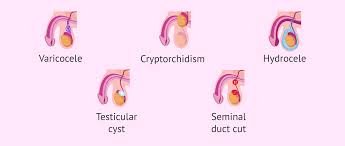
Several medical and lifestyle factors can contribute to low sperm count. Varicocele remains one of the most common causes of oligospermia because enlarged veins around the testicles can negatively affect sperm production. Hormonal disorders involving testosterone, FSH, and LH may also interfere with spermatogenesis.
Reproductive tract infections, genetic conditions, testicular disorders, and blockages within the reproductive system may further reduce sperm count. Environmental exposure to toxins, pesticides, heavy metals, and excessive heat can also affect sperm production.
Lifestyle habits frequently contribute to fertility challenges. Smoking, excessive alcohol consumption, obesity, chronic stress, poor nutrition, and inadequate sleep can all negatively impact sperm health. Identifying these factors allows fertility specialists to develop personalized treatment strategies that address the root cause of infertility rather than simply treating symptoms.
Symptoms That May Indicate Oligospermia
Most men with oligospermia experience no obvious symptoms. In many cases, infertility itself becomes the first sign of an underlying reproductive problem. Couples often seek fertility evaluation after trying to conceive unsuccessfully for an extended period.
Some men may experience symptoms related to the cause of low sperm count. Hormonal imbalances can lead to reduced libido, erectile dysfunction, fatigue, decreased muscle mass, and reduced facial or body hair growth. Varicocele may cause scrotal discomfort, swelling, or a feeling of heaviness.
Because symptoms often remain subtle, fertility specialists recommend semen analysis for men who experience difficulty achieving pregnancy. Early testing helps identify fertility problems before they become more complex and allows treatment to begin sooner.
Comprehensive Diagnosis Before Prescribing Medicine For Oligospermia In Raipur
Effective treatment begins with accurate diagnosis. Fertility specialists first conduct a detailed review of medical history, lifestyle habits, previous illnesses, medications, and reproductive health.
Semen analysis remains the most important diagnostic test for oligospermia. This evaluation measures sperm concentration, motility, morphology, semen volume, and overall sperm quality. Specialists often repeat the test because sperm parameters may vary naturally over time.
Hormonal testing helps identify endocrine abnormalities that may affect sperm production. Ultrasound examination can detect structural conditions such as varicocele or reproductive tract obstruction. In selected cases, specialists may recommend genetic testing, infection screening, or advanced fertility investigations.
Comprehensive diagnosis ensures that treatment targets the specific cause of infertility and maximizes the likelihood of successful outcomes.
Medicine For Oligospermia In Raipur: Hormonal Treatment Options
Hormonal therapy often benefits men whose infertility results from hormonal imbalances. Fertility specialists prescribe hormonal medications only after detailed endocrine evaluation confirms an underlying hormonal disorder.
Certain medications help stimulate the production of follicle-stimulating hormone (FSH) and luteinizing hormone (LH), which support sperm production and testicular function. Men with hypogonadotropic hypogonadism often respond particularly well to these therapies. Studies show that gonadotropin treatment can significantly increase sperm production in appropriately selected patients.
Hormonal treatment requires careful monitoring because hormone levels directly influence reproductive function. Fertility specialists adjust therapy based on individual response and ongoing assessment of sperm parameters
Antioxidants and Nutritional Supplements for Male Fertility
Oxidative stress can damage sperm cells and impair fertility. Therefore, fertility specialists often recommend antioxidant therapy as part of a comprehensive treatment plan.
Supplements containing Coenzyme Q10, L-Carnitine, Vitamin C, Vitamin E, Zinc, Selenium, and Folic Acid may support sperm production and protect sperm cells from oxidative damage. Research suggests that nutritional support can contribute to improvements in sperm quality and reproductive function in selected patients.
Antioxidants work best when combined with medical treatment, healthy lifestyle habits, and regular fertility monitoring. Fertility specialists tailor supplement recommendations according to each patient’s specific fertility profile.
Lifestyle Changes That Improve Oligospermia Treatment Results
Lifestyle modification remains an essential part of fertility improvement. Men who maintain healthy habits often experience better treatment outcomes and improved reproductive health.
A balanced diet rich in fruits, vegetables, whole grains, lean proteins, and healthy fats supports sperm development. Regular physical activity improves circulation, hormonal balance, and overall wellness.
Smoking cessation can significantly improve sperm quality because tobacco negatively affects sperm production. Limiting alcohol consumption and avoiding recreational drugs further support fertility enhancement. Maintaining a healthy weight and managing stress also contribute to improved reproductive outcomes.
When combined with fertility medicines, these lifestyle improvements often produce meaningful changes in sperm count and fertility potential.
Advanced Fertility Treatments for Severe Oligospermia
Some men require advanced reproductive treatments when medication alone does not sufficiently improve fertility. Fertility specialists evaluate treatment response and recommend additional options when necessary.
Intrauterine Insemination (IUI) may benefit couples with mild to moderate oligospermia. During IUI, specially prepared sperm are placed directly into the uterus to improve fertilization opportunities.
For severe oligospermia, IVF combined with Intracytoplasmic Sperm Injection (ICSI) often provides excellent results. During ICSI, embryologists inject a single sperm directly into an egg, allowing fertilization even when sperm counts remain extremely low. These advanced reproductive technologies have helped many couples achieve successful pregnancies despite significant male-factor infertility.
Why Choose Dr. Ankita Malewar for Oligospermia Treatment in Raipur?
Dr. Ankita Malewar provides comprehensive male fertility evaluation and personalized infertility care for men experiencing low sperm count and reproductive challenges. She carefully investigates hormonal, medical, reproductive, and lifestyle factors that contribute to infertility.
Her approach combines semen analysis, hormonal testing, fertility counseling, reproductive assessment, and evidence-based treatment planning. She develops individualized strategies designed to improve sperm health and maximize fertility outcomes.
Frequently Ask Questions (FAQ)
What is oligospermia?
Oligospermia is a condition in which sperm concentration falls below normal levels, typically below 15 million sperm per milliliter of semen.
Can medicine increase sperm count?
Yes. Fertility medicines can improve sperm production when hormonal imbalances or other treatable conditions contribute to low sperm count.
How long does oligospermia treatment take?
Most treatments require several months because sperm production follows a natural cycle of approximately 70–90 days.
Can Clomiphene improve sperm count?
Research suggests that Clomiphene therapy may significantly increase sperm concentration in selected men with oligospermia.
Can lifestyle changes help improve oligospermia?
Yes. Healthy eating, regular exercise, smoking cessation, weight management, and stress reduction can improve sperm health.
Is pregnancy possible with oligospermia?
Yes. Many men with oligospermia achieve natural conception or successful pregnancy through fertility treatment and assisted reproductive technologies.
When should I consult a fertility specialist?
You should seek fertility evaluation if pregnancy has not occurred after one year of regular unprotected intercourse or sooner if known fertility concerns exist.
Book an Appointment for Medicine For Oligospermia In Raipur
If you have been diagnosed with low sperm count or are experiencing difficulty conceiving, professional fertility evaluation can help identify the cause and determine the most effective treatment strategy.
Dr. Ankita Malewar offers semen analysis, hormonal testing, fertility assessment, male infertility treatment, fertility counseling, and advanced reproductive care in Raipur.
Book your appointment today and take the first step toward improving your fertility health and increasing your chances of successful conception.
At Dr. Ankita Malewar’s Women Care Clinic, Nagpur, patients receive personalized gynecological consultation, advanced diagnosis, and expert guidance for women’s health concerns.
Follow Us For Wellness Tips
- Additionally
- Again
- Also
- And
- As a result
- At first
- At last
- At the same time
- Because
- Before
- Besides
- Certainly
- Comparatively
- Consequently
- Conversely
- Despite this
- During
- Earlier
- Equally
- Especially
- Even so
- Eventually
- Finally
- First
- Firstly
- For example
- For instance
- Furthermore
- Hence
- However
- In addition
- In conclusion
- In contrast
- In fact
- In other words
- In short
- In the meantime
- In the same way
- Indeed
- Instead
- Last
- Lastly
- Likewise
- Meanwhile
- Moreover
- Namely
- Nevertheless
- Next
- Nonetheless
- Now
- On the contrary
- On the other hand
- Overall
- Particularly
- Previously
- Rather
- Similarly
- Since
- So
- Specifically
- Still
- Subsequently
- Such as
- Then
- Therefore
- Thus
- To begin with
- To clarify
- To conclude
- To demonstrate
- To emphasize
- To explain
- To illustrate
- To put it differently
- To summarize
- Ultimately
- Undoubtedly
- Unlike
- Until
- Usually
- Whereas
- While
- Yet