
Treatment Of Endometriosis In Infertile Female In Jabalpur By Dr. Ankita Malewar
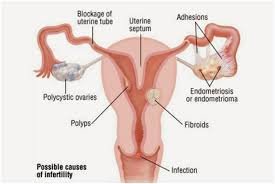
Endometriosis is one of the most common gynecological conditions affecting women of reproductive age and is a significant cause of female infertility. The condition occurs when tissue similar to the lining of the uterus grows outside the uterine cavity, commonly affecting the ovaries, fallopian tubes, pelvic lining, and surrounding reproductive organs. These abnormal tissue deposits respond to hormonal changes during the menstrual cycle, leading to inflammation, scarring, adhesions, and chronic pelvic pain. Over time, these changes can interfere with normal reproductive function and reduce the chances of natural conception for Treatment Of Endometriosis In Infertile Female In Jabalpur.
For women struggling to conceive, timely diagnosis and specialized treatment of endometriosis are essential. Dr. Ankita Malewar provides comprehensive evaluation and fertility-focused treatment for women affected by endometriosis and infertility. With expertise in reproductive endocrinology, infertility management, hysteroscopy, and advanced laparoscopic surgery, she offers personalized treatment plans designed to improve fertility outcomes and reproductive health.
What Is Endometriosis?
Endometriosis can affect fertility through multiple mechanisms. The inflammatory environment created by endometrial implants may interfere with egg quality, fertilization, embryo development, and implantation. Furthermore, adhesions can distort pelvic anatomy, affecting the relationship between the ovaries and fallopian tubes.
In some women, ovarian endometriomas reduce ovarian reserve and impair ovulation. Additionally, chronic inflammation can negatively influence reproductive hormones and the uterine environment required for successful pregnancy. As a result, women with endometriosis often experience difficulty conceiving naturally.
Early diagnosis and appropriate fertility treatment can significantly improve pregnancy outcomes for women affected by this condition.
How Endometriosis Causes Infertility
Endometriosis affects fertility through multiple mechanisms. One of the most significant factors is chronic inflammation within the pelvic cavity. Endometriotic lesions release inflammatory substances that can negatively affect egg quality, sperm function, fertilization, and embryo development. As a result, the environment required for successful conception becomes less favorable.
The condition can also alter the normal anatomy of reproductive organs. Scar tissue and adhesions may distort the relationship between the ovaries and fallopian tubes. Consequently, the egg may not be captured effectively after ovulation, making fertilization more difficult. In severe cases, adhesions can partially or completely block the fallopian tubes.
Ovarian endometriomas present another challenge. These cysts can damage healthy ovarian tissue and reduce ovarian reserve. Therefore, women with advanced endometriosis may experience a decline in both the quantity and quality of their eggs. This effect becomes particularly important as women grow older and naturally experience reduced fertility.
Symptoms of Endometriosis in Infertile Women
The symptoms of endometriosis vary widely from one woman to another. However, painful menstrual periods remain one of the most common complaints. Unlike ordinary menstrual cramps, endometriosis-related pain often becomes progressively worse over time and may interfere with daily activities, work responsibilities, and overall quality of life.
Chronic pelvic pain is another hallmark symptom. Many women experience discomfort throughout the month rather than exclusively during menstruation. This pain may affect physical activity, sleep quality, emotional health, and interpersonal relationships. Consequently, untreated endometriosis can have a profound impact on overall well-being.
Pain during sexual intercourse frequently occurs in women with endometriosis, particularly when lesions affect deeper pelvic structures. Some women also report pain during bowel movements or urination, especially during their menstrual cycle. In addition, digestive symptoms such as bloating, constipation, diarrhea, and nausea may accompany the condition.
Causes and Risk Factors of Endometriosis
Although researchers have not identified a single definitive cause of endometriosis, several factors appear to contribute to its development. One widely accepted theory involves retrograde menstruation, a process in which menstrual blood flows backward through the fallopian tubes into the pelvic cavity. This backward flow may allow endometrial cells to implant and grow outside the uterus. Treatment Of Endometriosis In Infertile Female In Jabalpur.
Genetics also appears to play a significant role. Women with a family history of endometriosis have a greater likelihood of developing the condition themselves. Consequently, healthcare providers often consider family history when evaluating patients with pelvic pain or infertility.
Hormonal influences contribute substantially to disease progression. Estrogen promotes the growth and maintenance of endometriotic tissue. Therefore, conditions associated with increased estrogen exposure may increase the risk of disease development and progression. Researchers continue to investigate hormonal pathways that influence endometriosis activity.
Diagnosis of Endometriosis in Infertile Women
Accurate diagnosis is one of the most important steps in the management of endometriosis-related infertility. Unfortunately, many women live with symptoms for several years before receiving a definitive diagnosis. Since the symptoms often resemble those of other gynecological and gastrointestinal conditions, the disease may remain undetected during its early stages. Consequently, delayed diagnosis can allow the condition to progress and cause further damage to reproductive organs.
The diagnostic process usually begins with a detailed medical history and discussion of symptoms. Fertility specialists evaluate menstrual patterns, pelvic pain, previous pregnancies, infertility duration, and family history. This information provides valuable insight into the likelihood of endometriosis and helps guide further investigations.
Pelvic ultrasound is commonly used to identify ovarian endometriomas and assess the overall condition of reproductive organs. Although ultrasound may not detect all forms of endometriosis, it remains an important initial diagnostic tool. In selected cases, advanced imaging studies such as magnetic resonance imaging may provide additional information regarding deep infiltrating disease.
Medical Treatment for Endometriosis
Medical treatment focuses on reducing inflammation, controlling symptoms, and slowing disease progression. The choice of therapy depends on the severity of symptoms, age, fertility goals, and extent of disease involvement. Since treatment strategies vary considerably among individuals, personalized care remains essential.
Many women initially receive medications aimed at reducing pelvic pain and menstrual discomfort. These treatments help improve quality of life and allow patients to maintain daily activities with greater comfort. Effective symptom management is particularly important because chronic pain can affect emotional health, relationships, and overall well-being.
Hormonal therapies are frequently used to suppress the growth and activity of endometriotic tissue. By reducing hormonal stimulation, these medications help decrease inflammation and slow disease progression. However, hormonal treatments generally prevent ovulation during use and are therefore not suitable for women actively attempting pregnancy.
Laparoscopic Surgery for Endometriosis
Laparoscopic surgery has become one of the most effective treatment options for women with endometriosis-related infertility. This minimally invasive procedure allows surgeons to diagnose and treat the disease simultaneously while preserving healthy reproductive structures whenever possible. Because only small incisions are required, recovery is generally faster compared to traditional open surgery.
During the procedure, endometriotic implants can be removed or destroyed, and adhesions can be carefully released. Restoring normal pelvic anatomy is often a primary objective because distorted reproductive structures may interfere with conception. When ovarian endometriomas are present, surgical management may improve ovarian function while reducing disease burden.
Many women experience significant improvement in pelvic pain following laparoscopic treatment. In addition, fertility outcomes frequently improve, particularly among women with mild to moderate disease. By eliminating inflammatory lesions and restoring normal anatomical relationships, surgery can increase the likelihood of natural conception.
The success of laparoscopic surgery depends largely on surgical expertise and proper patient selection. Therefore, women considering surgical treatment should seek care from specialists experienced in fertility-enhancing gynecological procedures. Comprehensive postoperative follow-up and fertility planning further contribute to improved reproductive outcomes and long-term disease management.
Fertility Treatment Options After Endometriosis
Although some women conceive naturally after treatment, others require fertility assistance to achieve pregnancy. The appropriate fertility treatment depends on age, ovarian reserve, disease severity, duration of infertility, and overall reproductive health. Consequently, individualized treatment planning remains essential.
For women with favorable fertility factors, ovulation monitoring and timed intercourse may be recommended initially. This approach maximizes opportunities for conception while avoiding unnecessary interventions. In selected cases, fertility medications may be used to support ovulation and improve reproductive efficiency.
Intrauterine insemination can be beneficial for certain women with mild endometriosis and open fallopian tubes. By placing prepared sperm directly into the uterus, this procedure improves the likelihood of fertilization. However, pregnancy rates vary depending on age and disease severity.
For women with advanced endometriosis or prolonged infertility, in vitro fertilization often provides the highest chance of success. IVF bypasses many of the barriers created by endometriosis and allows fertilization to occur in a controlled laboratory environment. Modern reproductive technologies have dramatically improved outcomes for women affected by endometriosis, enabling many patients to achieve successful pregnancies despite significant fertility challenges.
Why Choose Dr. Ankita Malewar for Endometriosis Treatment in Jabalpur
Choosing the right fertility specialist is an important decision for women facing endometriosis-related infertility. Dr. Ankita Malewar provides comprehensive fertility care that combines advanced diagnostic evaluation with evidence-based treatment strategies. Her patient-centered approach focuses on identifying the underlying causes of infertility while developing individualized plans that align with each woman’s reproductive goals.
Comprehensive assessment allows accurate diagnosis and personalized treatment recommendations. Rather than applying a uniform approach to every patient, treatment plans are tailored according to disease severity, age, ovarian reserve, symptoms, and fertility aspirations. This individualized approach often results in better outcomes and greater patient satisfaction.
In addition to fertility evaluation, specialized expertise in reproductive endocrinology, infertility management, hysteroscopy, and minimally invasive gynecological procedures enables comprehensive management of complex reproductive conditions. Patients benefit from coordinated care that addresses both fertility concerns and overall reproductive health.
Compassionate support remains a fundamental aspect of treatment. Infertility and endometriosis can create significant emotional stress for couples. Through education, counseling, and continuous guidance, patients receive the information and encouragement needed to navigate their fertility journey with confidence and optimism.
Conclusion - Treatment Of Endometriosis In Infertile Female In Jabalpur
Endometriosis is a common yet often overlooked cause of female infertility that can affect a woman’s reproductive health and quality of life. However, with early diagnosis, proper treatment, and expert fertility care, many women can successfully overcome fertility challenges and achieve pregnancy.
Whether treatment involves medical management, laparoscopic surgery, or advanced fertility procedures, individualized care remains the key to achieving the best outcomes. Under the guidance of Dr. Ankita Malewar, women can access comprehensive endometriosis and infertility treatment in Jabalpur, helping them move forward confidently on their journey toward parenthood Treatment Of Endometriosis In Infertile Female In Jabalpur
FAQs - Treatment Of Endometriosis In Infertile Female In Jabalpur
Can endometriosis cause infertility?
Yes, endometriosis is one of the leading causes of female infertility. The condition can affect fertility by causing inflammation, scar tissue formation, ovarian damage, hormonal disturbances, and distortion of pelvic anatomy. These changes may interfere with ovulation, fertilization, embryo development, and implantation. However, many women with endometriosis can still achieve pregnancy through appropriate medical treatment, surgery, or assisted reproductive technologies.
Can I get pregnant naturally if I have endometriosis?
Many women with mild or moderate endometriosis conceive naturally, especially when diagnosed and treated early. However, fertility depends on factors such as age, ovarian reserve, disease severity, and overall reproductive health. A fertility specialist can evaluate your individual situation and recommend the most appropriate treatment strategy.
Is laparoscopic surgery necessary for endometriosis?
Laparoscopic surgery is not necessary for every patient. However, it remains the most accurate method for diagnosing and treating endometriosis. Surgery may be recommended when symptoms are severe, fertility is affected, ovarian cysts are present, or previous treatments have not produced satisfactory results.
Does IVF work for women with endometriosis?
Yes, IVF is often highly effective for women with endometriosis-related infertility. The procedure bypasses many fertility barriers created by the disease and can significantly improve pregnancy rates, particularly in women with advanced disease or prolonged infertility.
Can endometriosis return after treatment?
Endometriosis can recur even after successful treatment. The risk of recurrence depends on disease severity, age, hormonal influences, and treatment approach. Regular follow-up and individualized management strategies help reduce recurrence and maintain reproductive health.
When should I consult a fertility specialist?
You should consult a fertility specialist if you experience severe menstrual pain, chronic pelvic pain, painful intercourse, or difficulty conceiving after one year of regular unprotected intercourse. Women over thirty-five should consider evaluation after six months of unsuccessful attempts to conceive.
Book Appointment - Treatment Of Endometriosis In Infertile Female In Jabalpur
If you are experiencing infertility, painful periods, chronic pelvic pain, or have been diagnosed with endometriosis, seeking expert medical care at the right time can significantly improve your chances of conception. Early diagnosis and personalized treatment play a vital role in managing endometriosis and protecting your reproductive health.
Dr. Ankita Malewar offers comprehensive fertility evaluation, advanced diagnostic services, and individualized treatment plans for women affected by endometriosis-related infertility in Jabalpur. Through a patient-focused approach and evidence-based fertility care, she helps women understand their condition and explore the most effective treatment options.
Book your appointment today with Dr. Ankita Malewar and take the first step toward overcoming fertility challenges, improving reproductive health, and achieving your dream of parenthood.
At Women Care Clinic, Dr. Ankita Malewar provides compassionate consultation, detailed fertility evaluation, and personalized treatment planning for endometriosis-related infertility in Nagpur. Each patient receives individualized care focused on reproductive health, emotional support, and evidence-based fertility management.
- Additionally
- Again
- Also
- And
- As a result
- At first
- At last
- At the same time
- Because
- Before
- Besides
- Certainly
- Comparatively
- Consequently
- Conversely
- Despite this
- During
- Earlier
- Equally
- Especially
- Even so
- Eventually
- Finally
- First
- Firstly
- For example
- For instance
- Furthermore
- Hence
- However
- In addition
- In conclusion
- In contrast
- In fact
- In other words
- In short
- In the meantime
- In the same way
- Indeed
- Instead
- Last
- Lastly
- Likewise
- Meanwhile
- Moreover
- Namely
- Nevertheless
- Next
- Nonetheless
- Now
- On the contrary
- On the other hand
- Overall
- Particularly
- Previously
- Rather
- Similarly
- Since
- So
- Specifically
- Still
- Subsequently
- Such as
- Then
- Therefore
- Thus
- To begin with
- To clarify
- To conclude
- To demonstrate
- To emphasize
- To explain
- To illustrate
- To put it differently
- To summarize
- Ultimately
- Undoubtedly
- Unlike
- Until
- Usually
- Whereas
- While
- Yet