
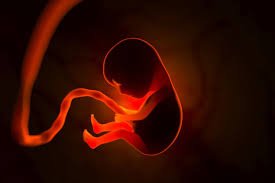
Best Frozen Embryo Transfer Center In Jabalpur – Dr. Ankita Malewar
If you are searching for the Best Frozen Embryo Transfer Center in Jabalpur, understanding the importance of Frozen Embryo Transfer (FET) can help you make informed decisions about your fertility journey. Frozen Embryo Transfer has become one of the most successful and widely used procedures in modern reproductive medicine. It involves transferring previously frozen embryos into the uterus during a carefully planned treatment cycle. This advanced fertility technique has significantly improved pregnancy rates and offers hope to couples struggling with infertility.
Frozen Embryo Transfer provides flexibility, improved endometrial preparation, and the opportunity to utilize high-quality embryos preserved from previous IVF cycles. As fertility treatments continue to advance, FET has emerged as an effective option for many couples seeking successful pregnancy outcomes. With proper embryo freezing techniques and individualized treatment planning, frozen embryos can achieve pregnancy rates comparable to and, in some cases, even higher than fresh embryo transfers.
Dr. Ankita Malewar offers comprehensive fertility evaluation, personalized fertility treatment plans, and advanced reproductive care for couples considering Frozen Embryo Transfer in Jabalpur. Through evidence-based fertility management and patient-centered care, couples receive expert guidance throughout every stage of their fertility journey.
What Is Frozen Embryo Transfer?
Frozen Embryo Transfer is an assisted reproductive procedure in which embryos created during a previous IVF cycle are cryopreserved and later transferred into the uterus. Instead of transferring embryos immediately after fertilization, embryos are frozen using advanced vitrification techniques and stored until the optimal time for transfer.
This approach allows fertility specialists to prepare the uterine lining carefully before embryo placement. By optimizing endometrial receptivity, the chances of successful implantation and pregnancy may improve. Frozen embryo transfer also provides flexibility for patients who require additional treatment before embryo transfer or who wish to postpone pregnancy for personal or medical reasons.
Modern embryo freezing technology has dramatically improved embryo survival rates after thawing. As a result, frozen embryos maintain excellent developmental potential and contribute to successful pregnancy outcomes for many couples undergoing fertility treatment.
How Frozen Embryo Transfer Works
The Frozen Embryo Transfer process begins with preparing the uterine lining to receive the embryo. Fertility specialists monitor the patient’s menstrual cycle and evaluate endometrial thickness through ultrasound examinations. Depending on individual circumstances, medications may be used to optimize the uterine environment before transfer.
Once the uterus is adequately prepared, the selected frozen embryo is carefully thawed in the laboratory. Embryologists assess embryo quality and confirm successful survival before proceeding with the transfer procedure. The embryo is then placed into the uterus using a thin catheter under ultrasound guidance.
The procedure itself is generally simple, painless, and completed within a short period. Following embryo transfer, patients continue supportive medications and undergo monitoring until pregnancy testing confirms the treatment outcome. Careful planning and individualized treatment protocols help maximize the likelihood of successful implantation.
Benefits of Frozen Embryo Transfer
Frozen Embryo Transfer offers several advantages for couples undergoing fertility treatment. One of the most significant benefits is the ability to transfer embryos during a cycle specifically optimized for implantation. This controlled approach often creates a more favorable uterine environment for embryo development.
Another important advantage is the preservation of additional embryos from a previous IVF cycle. Couples may use these embryos in future treatment attempts without undergoing another egg retrieval procedure. This reduces both physical stress and treatment costs associated with repeated ovarian stimulation.
Frozen embryo transfer also allows fertility specialists to delay transfer when medical conditions, hormonal imbalances, or uterine concerns require additional attention. By addressing these issues before embryo placement, pregnancy outcomes may improve significantly. These benefits have contributed to the growing popularity of FET worldwide.
Who Can Benefit From Frozen Embryo Transfer?
Frozen Embryo Transfer can benefit a wide range of fertility patients. Women who have previously undergone IVF and have frozen embryos available are often ideal candidates. Additionally, patients who develop ovarian hyperstimulation syndrome may benefit from postponing embryo transfer until recovery is complete.
Women with uterine abnormalities, hormonal irregularities, or conditions requiring medical treatment before pregnancy may also benefit from delayed embryo transfer. Fertility specialists can use the additional time to optimize reproductive health and improve implantation conditions.
Couples seeking fertility preservation and future family planning may choose embryo freezing as part of their long-term reproductive strategy. Frozen embryo transfer provides flexibility while maintaining the opportunity for future pregnancy using previously created embryos.
Success Rates of Frozen Embryo Transfer
Frozen Embryo Transfer has become one of the most successful fertility treatment options available today. Advances in embryo freezing techniques have significantly improved embryo survival rates and contributed to excellent pregnancy outcomes.
Success rates depend on several factors, including maternal age, embryo quality, uterine health, and underlying fertility conditions. High-quality embryos combined with optimal endometrial preparation generally produce the best outcomes. Careful patient selection and individualized treatment planning further enhance success rates.
Many fertility centers now report pregnancy rates with frozen embryo transfers that are comparable to or higher than fresh embryo transfers. This success has established FET as an essential component of modern assisted reproductive technology.
Importance of Endometrial Preparation
Successful implantation requires more than a healthy embryo. The uterine lining must also be properly prepared to support embryo attachment and development. Endometrial preparation is therefore one of the most critical aspects of the Frozen Embryo Transfer process.
Fertility specialists carefully monitor endometrial thickness, hormonal levels, and uterine health before scheduling embryo transfer. Medications may be prescribed to support optimal endometrial growth and improve receptivity. Ultrasound examinations help confirm that the uterine environment is ready for implantation.
Individualized preparation protocols ensure that each patient receives treatment tailored to her specific reproductive needs. This personalized approach often contributes to improved implantation rates and successful pregnancy outcomes.
Why Timing Matters in Frozen Embryo Transfer
The timing of embryo transfer plays a crucial role in treatment success. Embryo implantation occurs within a specific window when the uterine lining is most receptive. Therefore, accurately identifying this implantation window is essential.
Fertility specialists use hormonal monitoring, ultrasound evaluation, and carefully designed treatment protocols to determine the ideal transfer timing. Proper synchronization between embryo development and endometrial receptivity increases the chances of successful implantation.
Advancements in reproductive medicine have improved the ability to personalize transfer timing according to individual patient characteristics. As a result, fertility outcomes continue to improve for many couples undergoing Frozen Embryo Transfer
Comprehensive Fertility Evaluation Before FET
A detailed fertility evaluation helps ensure the highest possible chance of success. Before proceeding with Frozen Embryo Transfer, fertility specialists assess reproductive health, medical history, uterine anatomy, hormonal status, and previous fertility treatment outcomes.
Ultrasound examinations help evaluate the uterus and endometrial lining. Additional investigations may be recommended to identify factors that could interfere with implantation. Addressing these concerns before transfer often improves pregnancy outcomes.
Comprehensive evaluation allows fertility specialists to create individualized treatment plans that optimize embryo transfer success while minimizing potential complications.
Why Choose Dr. Ankita Malewar for Frozen Embryo Transfer in Jabalpur?
Choosing an experienced fertility specialist is one of the most important decisions in any fertility journey. Dr. Ankita Malewar provides personalized fertility care focused on achieving the best possible reproductive outcomes for every patient.
Through detailed fertility assessment, advanced reproductive evaluation, and evidence-based treatment planning, patients receive individualized care designed to maximize implantation and pregnancy success. Every treatment plan is tailored according to the patient’s fertility history, reproductive goals, and specific clinical needs.
Compassionate care, continuous monitoring, and patient education remain central to the treatment process. This comprehensive approach helps couples navigate fertility treatment with confidence while improving their chances of achieving a successful pregnancy.
Advanced Fertility Care and Personalized Treatment
Every fertility journey is unique, which is why personalized treatment remains essential for successful outcomes. Advanced fertility care involves more than performing procedures; it requires understanding the individual factors influencing reproductive success.
Dr. Ankita Malewar develops customized fertility strategies based on detailed diagnostic evaluation and patient-specific requirements. Careful monitoring throughout treatment ensures that every step is optimized to support implantation and pregnancy.
This individualized approach helps address fertility challenges effectively while providing patients with the support and guidance needed throughout their reproductive journey.
Conclusion: Best Frozen Embryo Transfer Center In Jabalpur
Frozen Embryo Transfer has revolutionized fertility treatment by providing couples with a highly effective and flexible pathway to pregnancy. Through advanced embryo freezing techniques, careful uterine preparation, and personalized treatment planning, FET offers excellent pregnancy outcomes for many patients experiencing infertility.
Success depends on multiple factors, including embryo quality, endometrial receptivity, proper timing, and expert fertility care. With comprehensive evaluation and individualized treatment strategies, couples can significantly improve their chances of successful implantation and healthy pregnancy outcomes.
Under the guidance of Dr. Ankita Malewar, patients can access advanced Frozen Embryo Transfer treatment and comprehensive fertility care in Jabalpur. With expert support and personalized management, couples can move forward confidently on their journey toward parenthood.
Frequently Asked Questions (FAQs) | Best Frozen Embryo Transfer Center In Jabalpur
What is Frozen Embryo Transfer?
Frozen Embryo Transfer is a fertility procedure in which previously frozen embryos are thawed and transferred into the uterus during a carefully prepared treatment cycle.
Is Frozen Embryo Transfer successful?
Yes. Modern vitrification techniques have significantly improved embryo survival rates, making Frozen Embryo Transfer one of the most successful fertility treatments available today.
How long can embryos remain frozen?
Embryos can remain safely frozen for many years while maintaining their reproductive potential when stored under appropriate laboratory conditions.
Is Frozen Embryo Transfer painful?
The procedure is generally simple, minimally invasive, and usually does not require anesthesia. Most patients experience little to no discomfort during embryo transfer.
Who is a good candidate for Frozen Embryo Transfer?
Women with frozen embryos from a previous IVF cycle, patients requiring delayed transfer, and couples pursuing fertility preservation may benefit from Frozen Embryo Transfer.
How long after embryo transfer is pregnancy testing performed?
Pregnancy testing is typically performed approximately 10 to 14 days after embryo transfer, depending on the treatment protocol.
Can Frozen Embryo Transfer be repeated?
Yes. If additional frozen embryos are available, subsequent transfer cycles can be planned based on individual fertility goals and treatment outcomes.
Book an Appointment | Best Frozen Embryo Transfer Center In Jabalpur
If you are considering Frozen Embryo Transfer or exploring fertility treatment options, professional evaluation can help determine the most appropriate path forward. Early consultation provides valuable insight into fertility health and available treatment opportunities.
Dr. Ankita Malewar offers comprehensive fertility assessment, advanced reproductive evaluation, and personalized Frozen Embryo Transfer planning in Jabalpur. Through evidence-based fertility care and individualized treatment strategies, patients receive expert support designed to maximize reproductive success.
Book your appointment today to learn more about Frozen Embryo Transfer and take the next step toward achieving your dream of parenthood.
At Women Care Clinic, Dr. Ankita Malewar provides compassionate fertility consultation, detailed reproductive evaluation, and personalized fertility medicine guidance according to individual healthcare needs. Every consultation focuses on patient education, emotional reassurance, evidence-based fertility management, and long-term reproductive wellness support.
Follow us on Social Media
- Additionally
- Furthermore
- Moreover
- In addition
- Besides
- Also
- Similarly
- Likewise
- Equally important
- Not only that
- Another benefit
- On the other hand
- However
- Nevertheless
- Nonetheless
- Even so
- In contrast
- Conversely
- As a result
- Therefore
- Thus
- Consequently
- Hence
- For this reason
- Accordingly
- For example
- For instance
- Specifically
- In particular
- To illustrate
- Such as
- In other words
- In fact
- Indeed
- Above all
- Most importantly
- Notably
- Especially
- Certainly
- Undoubtedly
- Ultimately
- Finally
- In conclusion
- To summarize
- Overall
- Meanwhile
- At the same time
- Subsequently
- Thereafter
- First
- Second
- Third
- Next
- Then
- Lastly