
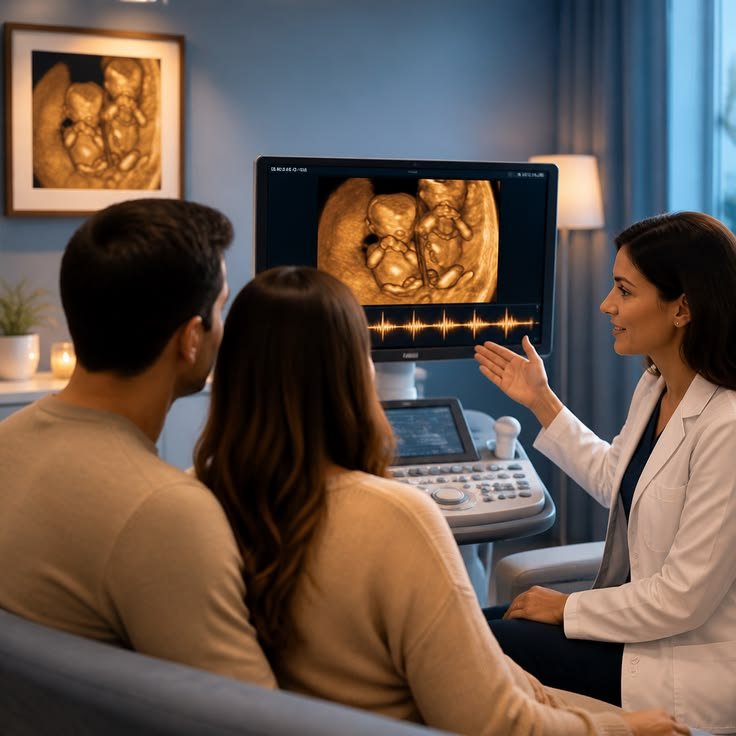
Best Infertility Ultrasound Scan In Nagpur | Dr. Ankita Malewar
Best Infertility Ultrasound Scan In Nagpur is an essential part of fertility diagnosis and treatment planning for couples struggling to conceive. Infertility can affect both men and women, but evaluating female reproductive health often begins with detailed ultrasound assessment. An infertility ultrasound scan helps fertility specialists assess the uterus, ovaries, endometrium, ovarian reserve, follicular development, and various reproductive conditions that may interfere with pregnancy.
Modern fertility treatment relies heavily on ultrasound technology because it provides real-time information about reproductive health without surgery or radiation exposure. Conditions such as PCOS, ovarian cysts, uterine fibroids, endometriosis, adenomyosis, poor follicular development, and implantation-related concerns can often be detected through fertility ultrasound evaluation.
For women experiencing irregular menstrual cycles, recurrent miscarriages, failed conception attempts, hormonal imbalance, or unexplained infertility, ultrasound examination becomes a crucial diagnostic tool. It helps fertility specialists identify the underlying cause of infertility and create personalized treatment plans designed to improve pregnancy outcomes.
At Dr. Ankita Malewar, infertility ultrasound evaluation forms an important part of comprehensive fertility assessment. Through advanced reproductive monitoring and individualized fertility care, women receive accurate diagnosis and evidence-based treatment planning to support their journey toward parenthood.
Understanding Infertility Ultrasound Scans by Best Infertility Ultrasound Scan In Nagpur
Infertility ultrasound scanning is a specialized imaging procedure used to evaluate reproductive organs and fertility-related structures. Unlike routine ultrasound examinations, fertility-focused scans provide detailed information regarding ovarian activity, follicular growth, uterine health, and endometrial development.
Ultrasound imaging works by using sound waves to create detailed images of internal reproductive organs. The procedure is safe, painless, and highly effective in fertility evaluation. It allows doctors to visualize the ovaries, uterus, cervix, and surrounding pelvic structures in real time.
One of the greatest advantages of infertility ultrasound scanning is that it can be repeated multiple times throughout the menstrual cycle. This helps fertility specialists track ovulation, monitor treatment response, and evaluate reproductive changes accurately.
Because fertility conditions can vary significantly among women, ultrasound assessment provides valuable information that helps create individualized fertility treatment plans.
At Dr. Ankita Malewar, infertility ultrasound scans are performed as part of a structured fertility evaluation process aimed at identifying reproductive factors that may affect conception.
Why Ultrasound Is Essential In Fertility Assessment
Ultrasound has become one of the most important tools in reproductive medicine because it provides detailed information that cannot always be obtained through blood tests alone.
Hormonal testing may reveal reproductive imbalances, but ultrasound allows doctors to directly observe ovarian follicles, uterine lining development, ovarian reserve indicators, and structural abnormalities affecting fertility.
Ultrasound helps identify:
- Ovulation disorders
- PCOS
- Ovarian cysts
- Uterine fibroids
- Endometrial abnormalities
- Endometriosis-related changes
- Adenomyosis
- Congenital uterine anomalies
- Follicular development issues
- Implantation-related concerns
The information obtained from ultrasound evaluation often determines the direction of fertility treatment. Whether a patient requires ovulation induction, hormonal correction, IUI, IVF, or surgical intervention may depend significantly on ultrasound findings.
At Dr. Ankita Malewar, detailed reproductive ultrasound evaluation supports accurate fertility diagnosis and treatment planning.
Types Of Fertility Ultrasound Scans
Different types of ultrasound scans may be used during infertility evaluation depending on the patient’s condition and reproductive goals.
Transabdominal Ultrasound
This scan is performed through the lower abdomen and provides an overview of pelvic structures. It is commonly used as an initial fertility assessment tool.
Transvaginal Ultrasound
This is one of the most important fertility scans because it provides highly detailed images of the uterus, ovaries, and endometrium. It allows accurate monitoring of follicular growth and ovarian activity.
Follicular Monitoring Scan
Follicular monitoring involves repeated ultrasound examinations during the menstrual cycle to track follicle development and identify ovulation timing.
Endometrial Assessment Scan
This scan evaluates the thickness and quality of the uterine lining to determine whether it is suitable for embryo implantation.
Baseline Fertility Scan
Usually performed at the beginning of the menstrual cycle, this scan evaluates ovarian reserve, antral follicle count, and reproductive organ health.
At Dr. Ankita Malewar, ultrasound protocols are individualized according to each patient’s fertility condition and treatment requirements.
Role Of Ultrasound In Ovulation Monitoring
Ovulation monitoring is one of the most common reasons women undergo infertility ultrasound scanning.
Successful conception depends on timely egg release from the ovary. However, many women experiencing infertility may have irregular or absent ovulation.
Through serial ultrasound examinations, fertility specialists can observe:
- Follicle growth
- Egg maturation
- Ovulation timing
- Endometrial development
- Response to fertility medications
Follicular monitoring helps identify the most fertile period during the menstrual cycle and improves pregnancy chances significantly.
Women with PCOS, irregular cycles, unexplained infertility, or previous fertility treatment failures often benefit greatly from ovulation monitoring.
At Dr. Ankita Malewar, ovulation assessment through ultrasound helps optimize conception opportunities and fertility treatment outcomes.
Ultrasound In PCOS Diagnosis And Management
Polycystic Ovary Syndrome (PCOS) is one of the most common causes of female infertility worldwide.
Women with PCOS frequently experience:
- Irregular periods
- Delayed ovulation
- Weight gain
- Hormonal imbalance
- Acne
- Excess facial hair growth
- Difficulty conceiving
Ultrasound plays a major role in diagnosing PCOS because the ovaries often contain multiple immature follicles arranged around the ovarian periphery.
In addition to diagnosis, ultrasound helps monitor treatment response and ovulation induction cycles.
Regular reproductive monitoring ensures that fertility medications are working effectively and allows treatment adjustments when necessary.
At Dr. Ankita Malewar, ultrasound evaluation forms an integral part of PCOS fertility management and reproductive care.
Detecting Uterine Abnormalities Through Ultrasound
The uterus provides the environment necessary for embryo implantation and pregnancy development. Structural abnormalities within the uterus may reduce fertility potential and increase miscarriage risk.
Ultrasound scans help detect:
Uterine Fibroids
Fibroids are non-cancerous growths that may interfere with implantation depending on their size and location.
Endometrial Polyps
Polyps may affect embryo implantation and contribute to infertility.
Congenital Uterine Abnormalities
Some women are born with structural uterine differences that may affect reproductive outcomes.
Adenomyosis
This condition occurs when endometrial tissue grows within the uterine muscle, potentially affecting fertility.
Early detection of these conditions allows fertility specialists to recommend appropriate treatment and improve reproductive outcomes.
At Dr. Ankita Malewar, comprehensive uterine assessment helps identify factors affecting fertility and implantation success.
Importance Of Endometrial Evaluation
The endometrium, or uterine lining, plays a critical role in successful pregnancy.
Even when fertilization occurs successfully, pregnancy may not develop if the uterine lining is not receptive to embryo implantation.
Ultrasound evaluation helps assess:
- Endometrial thickness
- Endometrial pattern
- Implantation readiness
- Hormonal response
A healthy uterine lining improves the likelihood of successful implantation during natural conception, IUI, and IVF treatment.
Thin endometrium, poor endometrial development, or irregular uterine lining patterns may require specialized fertility management.
At Dr. Ankita Malewar, endometrial assessment forms an important component of fertility treatment planning.
Ultrasound During IVF Treatment by Best Infertility Ultrasound Scan In Nagpur
IVF treatment depends heavily on ultrasound monitoring throughout various stages of the fertility cycle.
During ovarian stimulation, ultrasound helps evaluate:
- Number of developing follicles
- Follicular growth rate
- Ovarian response
- Endometrial development
These assessments help determine the optimal timing for egg retrieval and embryo transfer.
Ultrasound also reduces treatment risks by monitoring ovarian stimulation carefully and identifying potential complications early.
Because IVF success often depends on precise timing and reproductive monitoring, ultrasound remains an essential component of advanced fertility treatment.
At Dr. Ankita Malewar, IVF monitoring protocols include detailed ultrasound assessment to maximize reproductive outcomes.
Assessing Ovarian Reserve Through Ultrasound
Ovarian reserve refers to the number of remaining eggs within the ovaries.
Although AMH testing provides hormonal information about ovarian reserve, ultrasound helps evaluate ovarian reserve visually through antral follicle count assessment.
Women with reduced ovarian reserve may experience:
- Difficulty conceiving
- Reduced fertility potential
- Poor ovarian response
- Age-related fertility decline
Early identification of ovarian reserve concerns allows timely fertility planning and treatment intervention.
At Dr. Ankita Malewar, ovarian reserve evaluation combines ultrasound assessment with hormonal testing for comprehensive reproductive evaluation.
Benefits Of Infertility Ultrasound Scanning
Infertility ultrasound scanning offers numerous advantages for reproductive assessment and fertility treatment planning.
Some key benefits include:
- Safe and radiation-free procedure
- Non-invasive evaluation
- Real-time reproductive monitoring
- Accurate ovulation tracking
- Early detection of fertility disorders
- Improved treatment planning
- Enhanced IVF monitoring
- Better pregnancy outcomes
Because ultrasound provides immediate visual information, it remains one of the most valuable diagnostic tools in reproductive medicine.
At Dr. Ankita Malewar, advanced ultrasound evaluation supports evidence-based fertility care and personalized treatment strategies.
Importance Of Early Fertility Evaluation
Many women postpone fertility assessment because they assume conception will eventually occur naturally. Unfortunately, delayed diagnosis may reduce fertility opportunities.
Early fertility evaluation allows identification of reproductive conditions before they become more severe.
Women should consider fertility assessment if they experience:
- Irregular periods
- PCOS
- Recurrent miscarriages
- Endometriosis
- Delayed conception
- Previous fertility treatment failure
- Age-related fertility concerns
Timely reproductive evaluation often improves treatment success and pregnancy outcomes significantly.
At Dr. Ankita Malewar, fertility care emphasizes early diagnosis and individualized reproductive planning.
Why Choose Dr. Ankita Malewar For Infertility Ultrasound Evaluation
Accurate infertility diagnosis requires expertise in reproductive medicine and fertility ultrasound interpretation.
At Dr. Ankita Malewar, fertility assessment focuses on comprehensive reproductive evaluation, detailed ultrasound monitoring, ovulation tracking, fertility counseling, and personalized treatment planning.
Women receive individualized care based on their fertility condition, reproductive goals, hormonal profile, and ultrasound findings.
A structured approach to fertility management helps improve diagnosis accuracy and optimize reproductive outcomes.
Continuous monitoring and compassionate support further ensure that patients receive guidance throughout every stage of their fertility journey.
Conclusion: Best Infertility Ultrasound Scan In Nagpur
Best Infertility Ultrasound Scan In Nagpur is a crucial component of modern fertility diagnosis and reproductive treatment planning. Ultrasound evaluation helps identify ovulation disorders, PCOS, ovarian cysts, uterine abnormalities, endometrial concerns, ovarian reserve issues, and various reproductive conditions that may affect pregnancy.
Through detailed reproductive monitoring, fertility specialists can accurately diagnose infertility causes and develop individualized treatment strategies. Ultrasound plays a vital role during natural fertility treatment, ovulation induction, IUI cycles, and IVF procedures.
Early fertility assessment significantly improves reproductive opportunities and treatment outcomes. Women experiencing delayed conception, irregular cycles, recurrent miscarriages, or fertility concerns should consider comprehensive fertility evaluation.
At Dr. Ankita Malewar, patients receive advanced infertility ultrasound evaluation, reproductive monitoring, fertility counseling, and personalized fertility care designed to support their journey toward successful pregnancy.
FAQs: Best Infertility Ultrasound Scan In Nagpur
What is an infertility ultrasound scan?
An infertility ultrasound scan evaluates reproductive organs to identify fertility-related problems.
Is fertility ultrasound safe?
Yes, ultrasound is safe, non-invasive, and does not use radiation.
Why is follicular monitoring important?
Follicular monitoring helps track egg development and ovulation timing.
Can ultrasound diagnose PCOS?
Yes, ultrasound is commonly used to diagnose and monitor PCOS.
Does ultrasound help during IVF treatment?
Yes, ultrasound is essential for monitoring ovarian response and embryo transfer planning.
Can ultrasound detect uterine abnormalities?
Yes, ultrasound can identify fibroids, polyps, adenomyosis, and other uterine conditions.
When should I undergo fertility ultrasound evaluation?
Women experiencing delayed conception, irregular periods, or fertility concerns should seek evaluation.
Why choose Dr. Ankita Malewar?
Dr. Ankita Malewar provides comprehensive infertility ultrasound evaluation and personalized fertility care in Nagpur.
Book Appointment: Best Infertility Ultrasound Scan In Nagpur
Women and couples experiencing infertility, irregular ovulation, PCOS, recurrent miscarriages, hormonal imbalance, or delayed conception should seek timely fertility evaluation. Early ultrasound assessment helps identify reproductive concerns and improves treatment planning.
At Dr. Ankita Malewar, patients receive detailed infertility ultrasound scans, follicular monitoring, ovulation assessment, ovarian reserve evaluation, fertility counseling, and personalized reproductive care in Nagpur. Comprehensive fertility assessment and continuous monitoring help improve reproductive outcomes and support the path toward parenthood.
Book Your Fertility Consultation Today
Personalized Fertility Treatment Plans
Advanced IVF & ICSI Procedures
Comprehensive Male & Female Fertility Evaluation
Compassionate and Confidential Care
Modern Fertility Technology and Support
Take the first step toward parenthood with expert fertility care and compassionate support from Dr. Ankita Malewar at a leading IVF Center in Nagpur.
- Additionally
- Again
- Also
- And
- As a result
- At first
- At last
- At the same time
- Because
- Before
- Besides
- Certainly
- Comparatively
- Consequently
- Conversely
- Despite this
- During
- Earlier
- Equally
- Especially
- Even so
- Eventually
- Finally
- First
- Firstly
- For example
- For instance
- Furthermore
- Hence
- However
- In addition
- In conclusion
- In contrast
- In fact
- In other words
- In short
- In the meantime
- In the same way
- Indeed
- Instead
- Last
- Lastly
- Likewise
- Meanwhile
- Moreover
- Namely
- Nevertheless
- Next
- Nonetheless
- Now
- On the contrary
- On the other hand
- Overall
- Particularly
- Previously
- Rather
- Similarly
- Since
- So
- Specifically
- Still
- Subsequently
- Such as
- Then
- Therefore
- Thus
- To begin with
- To clarify
- To conclude
- To demonstrate
- To emphasize
- To explain
- To illustrate
- To put it differently
- To summarize
- Ultimately
- Undoubtedly
- Unlike
- Until
- Usually
- Whereas
- While
- Yet