
Best IVF Specialist In Nagpur | Dr. Ankita Malewar
Best IVF Specialist In Nagpur plays a major role in helping couples overcome infertility and achieve successful pregnancy outcomes through advanced reproductive care. IVF, also known as In Vitro Fertilization, is one of the most effective fertility treatments available for couples who are unable to conceive naturally despite regular attempts. In this process, fertilization takes place outside the body under controlled laboratory conditions. The embryo formed after fertilization is then transferred into the uterus to support pregnancy.
Infertility has become increasingly common because of changing lifestyles, delayed family planning, hormonal imbalance, stress, obesity, and environmental factors. Many couples experience emotional stress and frustration after repeated unsuccessful pregnancy attempts. Consequently, advanced fertility treatment has become an important part of reproductive healthcare today.
Several couples initially try fertility medicines or basic treatments before considering IVF. However, when these methods fail or severe fertility issues exist, IVF often provides better pregnancy chances. Advanced fertility technologies now help improve embryo quality, fertilization rates, and implantation success significantly.
Understanding Infertility And When IVF Is Needed
Infertility refers to the inability to achieve pregnancy after one year of regular unprotected intercourse. It can affect both men and women equally. In some couples, infertility may result from a single medical issue, while others may experience multiple contributing factors.
Female infertility may occur due to irregular ovulation, PCOS, endometriosis, hormonal imbalance, blocked fallopian tubes, uterine abnormalities, or reduced ovarian reserve. Male infertility often results from low sperm count, poor sperm motility, hormonal disorders, infections, or lifestyle-related factors.
Some couples experience unexplained infertility where routine tests appear normal despite difficulty conceiving. In such situations, IVF often becomes an effective fertility option because it bypasses several natural reproductive barriers.
Doctors usually recommend IVF when simpler fertility treatments such as ovulation medicines or IUI do not provide successful results. IVF may also be advised for women with severe tubal damage, advanced endometriosis, repeated miscarriage history, or age-related fertility decline.
At Women Care Clinic, Dr. Ankita Malewar carefully evaluates both partners before deciding whether IVF is the most suitable treatment option. Personalized treatment planning helps improve fertility outcomes and avoids unnecessary delays in conception.
Causes Of Infertility In Couples - Best IVF Specialist In Nagpur
Infertility can develop because of several medical, hormonal, structural, or lifestyle-related factors. Female infertility often occurs due to ovulation disorders where the ovaries fail to release healthy eggs regularly. Conditions such as PCOS commonly affect ovulation and hormonal balance.
Blocked or damaged fallopian tubes may prevent sperm from reaching the egg. Tubal blockage may result from pelvic infections, endometriosis, or previous abdominal surgeries. Endometriosis itself can reduce fertility by affecting ovarian function and causing pelvic inflammation.
Age also significantly affects female fertility. As women grow older, egg quality and ovarian reserve gradually decline. This may reduce the chances of natural conception and increase miscarriage risk.
Male infertility may result from low sperm count, poor sperm motility, abnormal sperm morphology, infections, hormonal imbalance, varicocele, or lifestyle habits such as smoking and alcohol consumption. Stress and obesity may also negatively affect male reproductive health.
Environmental toxins, poor sleep, unhealthy diet, and exposure to excessive heat can further influence fertility in both partners. Therefore, detailed fertility evaluation is extremely important before treatment planning.
Diagnostic Evaluation Before IVF Treatment
Detailed fertility evaluation is one of the most important steps before starting IVF treatment. Proper diagnosis helps doctors understand reproductive health conditions and select the most effective treatment approach.
Women undergo hormonal blood tests to evaluate ovarian function, thyroid levels, and reproductive hormones. Ultrasound scans help assess ovarian reserve, follicle count, and uterine health. Additional tests may be performed to evaluate fallopian tube function or detect underlying reproductive disorders.
Men usually undergo semen analysis to assess sperm count, motility, morphology, and overall semen quality. Hormonal testing or advanced sperm testing may be advised in severe male infertility cases.
Doctors may also review previous fertility treatment history, menstrual cycle patterns, lifestyle habits, and overall medical conditions before IVF planning. Accurate testing helps improve treatment success and prevents unnecessary complications.
At Women Care Clinic, Dr. Ankita Malewar ensures that every couple undergoes comprehensive fertility evaluation before IVF treatment begins. Individualized testing allows personalized fertility planning and better reproductive outcomes.
Step By Step IVF Process Explained - Best IVF Specialist In Nagpur
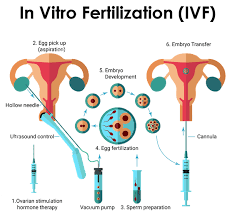
IVF treatment involves multiple carefully planned stages designed to improve fertilization and pregnancy success rates. The process begins with ovarian stimulation using hormonal injections that encourage the ovaries to produce multiple eggs instead of one.
During stimulation, patients undergo regular ultrasound scans and blood tests to monitor follicle growth and hormonal response. Once follicles reach maturity, a trigger injection is given to prepare eggs for retrieval.
Egg retrieval is performed under medical supervision using minimally invasive techniques. The collected eggs are then combined with sperm in a specialized laboratory environment for fertilization.
After fertilization, embryos are monitored for growth and development over several days. Doctors select the healthiest embryos for transfer into the uterus. Remaining healthy embryos may sometimes be frozen for future use.
Pregnancy testing is performed after embryo transfer to confirm implantation success. Each IVF stage requires careful monitoring and personalized management for optimal results.
At Women Care Clinic, Dr. Ankita Malewar follows a structured and evidence-based IVF protocol designed according to individual fertility conditions and treatment goals.
Ovarian Stimulation And Egg Retrieval Process
Ovarian stimulation is an essential phase of IVF treatment because multiple eggs improve the chances of successful fertilization and embryo development. Hormonal medicines stimulate the ovaries to produce several mature follicles during a single cycle.
Patients receive fertility injections for several days while doctors monitor ovarian response through ultrasound and hormone testing. Monitoring helps adjust medication dosage and reduces risks such as ovarian hyperstimulation.
When follicles mature adequately, doctors administer a trigger injection that prepares eggs for retrieval. Egg retrieval is usually performed under mild anesthesia or sedation for patient comfort.
The procedure involves using ultrasound guidance to collect eggs from ovarian follicles using a thin needle. Recovery is generally quick, and most women resume normal activities within a short period.
The quality and number of eggs collected influence IVF success significantly. Therefore, individualized stimulation protocols are extremely important.
At Women Care Clinic, Dr. Ankita Malewar carefully monitors ovarian response and ensures safe egg retrieval procedures for better fertility outcomes.
Fertilization And Embryo Development
After egg retrieval, the fertilization process begins inside a highly controlled embryology laboratory. Collected eggs are combined with processed sperm to achieve fertilization naturally or through ICSI techniques when necessary.
ICSI, or Intracytoplasmic Sperm Injection, is commonly used in severe male infertility cases where sperm quality is poor. In this process, embryologists inject a single healthy sperm directly into the egg to improve fertilization chances.
Following fertilization, embryos are monitored carefully for growth and cell division. Embryologists evaluate embryo quality daily and select the healthiest embryos for transfer.
Advanced laboratory conditions significantly improve embryo development and implantation success. Embryos may be cultured to the blastocyst stage before transfer for better pregnancy outcomes.
At Women Care Clinic, Dr. Ankita Malewar utilizes advanced reproductive technologies and laboratory protocols to support healthy embryo development and improved IVF success.
Embryo Transfer Procedure | Best IVF Specialist In Nagpur
Embryo transfer is one of the final and most important stages of IVF treatment. During this procedure, selected embryos are carefully transferred into the uterus using a soft and thin catheter.
The procedure is usually painless and performed without anesthesia. Ultrasound guidance helps ensure accurate embryo placement inside the uterus for optimal implantation chances.
After embryo transfer, patients may receive hormonal support medicines to prepare the uterine lining for implantation. Doctors advise patients regarding activity levels, medication schedules, and follow-up care.
Pregnancy testing is generally performed after approximately two weeks to confirm successful implantation. Emotional support during this waiting period is extremely important because many couples experience anxiety and anticipation.
At Women Care Clinic, Dr. Ankita Malewar performs embryo transfer procedures with precision, safety, and individualized care to maximize pregnancy success rates.
IVF Success Rate And Influencing Factors
Several factors influence IVF success rates, including female age, egg quality, sperm health, uterine condition, and embryo quality. Younger women generally experience higher success because ovarian reserve and egg quality remain stronger.
Lifestyle habits such as smoking, alcohol use, obesity, stress, and poor nutrition can negatively affect fertility outcomes. Hormonal disorders and untreated medical conditions may also reduce implantation success.
Advanced fertility technologies and personalized treatment planning significantly improve IVF outcomes. Embryo freezing, blastocyst transfer, and genetic testing further enhance success in selected cases.
Sometimes, more than one IVF cycle may be required to achieve successful pregnancy. Emotional resilience and continuous medical guidance remain important throughout the treatment journey.
At Women Care Clinic, Dr. Ankita Malewar focuses on individualized fertility care designed to maximize IVF success and reproductive health outcomes.
Advanced IVF Techniques Used In Treatment
Modern IVF treatment includes several advanced technologies that improve fertilization, embryo quality, and implantation success. ICSI helps overcome severe male infertility by injecting a healthy sperm directly into the egg.
Blastocyst culture allows embryos to develop longer before transfer, helping embryologists select stronger embryos with better implantation potential. Frozen embryo transfer provides flexibility and reduces repeated ovarian stimulation cycles.
Preimplantation Genetic Testing helps identify chromosomal abnormalities before embryo transfer. This improves pregnancy outcomes and reduces miscarriage risk in selected patients.
Laser-assisted hatching may also help improve implantation in certain fertility cases. These advanced technologies provide additional support for couples facing complex infertility challenges.
At Women Care Clinic, Dr. Ankita Malewar uses advanced IVF techniques according to individual fertility needs and medical indications.
Lifestyle And Emotional Support During IVF
Lifestyle management significantly affects IVF success rates and reproductive health. A balanced diet rich in vitamins, minerals, proteins, and antioxidants supports egg and sperm quality.
Regular exercise helps maintain hormonal balance and healthy body weight. Adequate sleep and hydration further support reproductive wellness. Couples are encouraged to avoid smoking, alcohol, and unhealthy lifestyle habits during treatment.
Emotional health is equally important during IVF because infertility treatment can create stress, anxiety, and emotional pressure. Counseling and emotional reassurance help couples stay positive and motivated.
Support from family members and partners also improves treatment experience and emotional stability. Maintaining a positive mindset often helps patients cope better during fertility treatment.
At Women Care Clinic, Dr. Ankita Malewar provides compassionate fertility care along with emotional guidance and lifestyle counseling for couples undergoing IVF treatment.
Fertilization And Embryo Development
After egg retrieval, the fertilization process begins inside a highly controlled embryology laboratory. Collected eggs are combined with processed sperm to achieve fertilization naturally or through ICSI techniques when necessary.
ICSI, or Intracytoplasmic Sperm Injection, is commonly used in severe male infertility cases where sperm quality is poor. In this process, embryologists inject a single healthy sperm directly into the egg to improve fertilization chances.
Following fertilization, embryos are monitored carefully for growth and cell division. Embryologists evaluate embryo quality daily and select the healthiest embryos for transfer.
Advanced laboratory conditions significantly improve embryo development and implantation success. Embryos may be cultured to the blastocyst stage before transfer for better pregnancy outcomes.
At Women Care Clinic, Dr. Ankita Malewar utilizes advanced reproductive technologies and laboratory protocols to support healthy embryo development and improved IVF success.
Conclusion - Best IVF Specialist In Nagpur
Best IVF Specialist In Nagpur plays an important role in helping couples overcome infertility through advanced reproductive treatment and personalized fertility care. IVF has become one of the most successful fertility solutions for couples facing problems such as blocked fallopian tubes, PCOS, low sperm count, endometriosis, hormonal imbalance, and unexplained infertility. Modern fertility technologies now provide improved pregnancy chances and better reproductive outcomes for many couples struggling with delayed conception.
Successful IVF treatment depends on accurate diagnosis, individualized treatment planning, advanced laboratory support, emotional care, and proper lifestyle management. Early fertility evaluation often improves treatment success and helps couples avoid unnecessary delays in conception. Emotional reassurance and continuous medical guidance also remain important throughout the fertility journey.
At Women Care Clinic, Dr. Ankita Malewar provides comprehensive IVF treatment, detailed fertility evaluation, and compassionate reproductive care in Nagpur. The treatment approach focuses on improving fertility outcomes while supporting patients emotionally and medically during every stage of treatment.
FAQs - Best IVF Specialist In Nagpur
What is IVF treatment?
IVF is an advanced fertility treatment where fertilization happens outside the body in a laboratory before embryo transfer into the uterus.
Who should consider IVF treatment?
Couples with infertility issues such as blocked tubes, low sperm count, ovulation problems, or unexplained infertility may consider IVF.
Is IVF treatment painful?
Most IVF procedures involve minimal discomfort. Egg retrieval may cause mild temporary discomfort in some women.
How long does one IVF cycle take?
A complete IVF cycle usually takes around 3 to 6 weeks depending on the treatment plan.
What is the success rate of IVF?
IVF success depends on factors such as age, egg quality, sperm health, and overall reproductive condition.
Can IVF help in male infertility?
Yes, IVF along with ICSI can help couples facing severe male infertility issues.
Are IVF babies healthy?
Yes, IVF babies are generally healthy and develop normally like naturally conceived babies.
Can frozen embryos be used later?
Yes, healthy embryos can be frozen and used in future IVF cycles if needed.
Is bed rest necessary after embryo transfer?
Doctors usually recommend light activity and avoiding excessive physical strain after embryo transfer.
Why choose Dr. Ankita Malewar for IVF treatment?
Dr. Ankita Malewar provides personalized IVF care, advanced fertility treatment, and compassionate reproductive support in Nagpur.
Book Appointment - Best IVF Specialist In Nagpur
Couples experiencing difficulty in conceiving should seek early fertility consultation because timely diagnosis often improves pregnancy success rates significantly. Delaying fertility treatment may reduce reproductive potential, especially with increasing age or untreated medical conditions.
At Women Care Clinic, Dr. Ankita Malewar provides advanced IVF treatment, comprehensive fertility evaluation, and individualized reproductive care for couples in Nagpur. Every patient receives confidential consultation, personalized treatment planning, and continuous support throughout the fertility journey.
Couples looking for advanced fertility treatment and IVF support in Nagpur can book an appointment for detailed fertility assessment and evidence-based reproductive care tailored to their specific needs.
- Additionally
- Again
- Also
- And
- As a result
- At first
- At last
- At the same time
- Because
- Before
- Besides
- Certainly
- Comparatively
- Consequently
- Conversely
- Despite this
- During
- Earlier
- Equally
- Especially
- Even so
- Eventually
- Finally
- First
- Firstly
- For example
- For instance
- Furthermore
- Hence
- However
- In addition
- In conclusion
- In contrast
- In fact
- In other words
- In short
- In the meantime
- In the same way
- Indeed
- Instead
- Last
- Lastly
- Likewise
- Meanwhile
- Moreover
- Namely
- Nevertheless
- Next
- Nonetheless
- Now
- On the contrary
- On the other hand
- Overall
- Particularly
- Previously
- Rather
- Similarly
- Since
- So
- Specifically
- Still
- Subsequently
- Such as
- Then
- Therefore
- Thus
- To begin with
- To clarify
- To conclude
- To demonstrate
- To emphasize
- To explain
- To illustrate
- To put it differently
- To summarize
- Ultimately
- Undoubtedly
- Unlike
- Until
- Usually
- Whereas
- While
- Yet