
Best Medicine For Azoospermia In Nagpur | Dr. Ankita Malewar
The Best Medicine For Azoospermia In Nagpur is increasingly searched by men facing infertility problems related to the absence of sperm in semen. Azoospermia is a serious male fertility condition where semen contains no measurable sperm cells. This condition may significantly reduce natural conception chances and create emotional stress for couples trying to achieve pregnancy.
Many men remain unaware of azoospermia until fertility testing is performed after repeated unsuccessful pregnancy attempts. Modern fertility treatment now offers several medical solutions, hormonal therapies, surgical procedures, and assisted reproductive techniques that may help improve fertility outcomes in azoospermia patients.
Azoospermia may occur because of hormonal imbalance, blockage in the reproductive tract, infections, genetic conditions, or testicular dysfunction. Proper diagnosis is extremely important because treatment depends on the exact underlying cause.
Understanding Azoospermia In Male Infertility | Best Medicine For Azoospermia In Nagpur
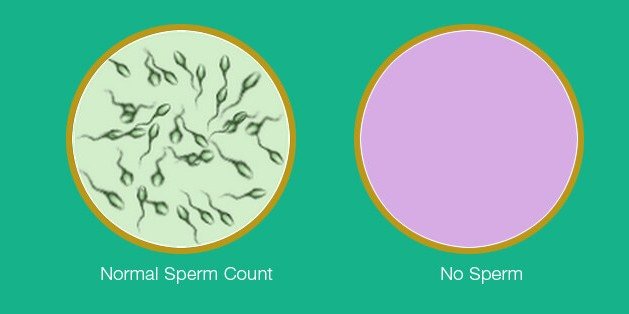
Azoospermia refers to the complete absence of sperm in semen during ejaculation. It affects a significant number of infertile men and may occur due to multiple medical conditions.
There are two major types of azoospermia. Obstructive azoospermia occurs when sperm production remains normal but blockage prevents sperm release into semen. Non-obstructive azoospermia develops when the testes produce very few or no sperm cells.
Some men with azoospermia may not experience noticeable symptoms apart from infertility. Others may have hormonal imbalance, sexual dysfunction, reduced facial hair, or testicular abnormalities depending on the underlying condition.
Accurate diagnosis helps doctors determine whether medications, surgery, or advanced fertility procedures are required.
At Women Care Clinic, Dr. Ankita Malewar performs detailed fertility assessment before recommending treatment for azoospermia.
Causes Of Azoospermia | Best Medicine For Azoospermia In Nagpur
Several medical conditions can lead to azoospermia and reduced male fertility. Hormonal imbalance affecting testosterone and reproductive hormones may interfere with sperm production.
Blockage in reproductive ducts may prevent sperm transport into semen. Previous surgeries, infections, injuries, or congenital abnormalities may contribute to obstruction.
Varicocele, testicular damage, genetic disorders, chemotherapy, radiation exposure, and chronic illness can also affect sperm production significantly.
Lifestyle factors such as smoking, alcohol use, obesity, stress, poor nutrition, and exposure to toxins may further worsen reproductive health.
At Women Care Clinic, Dr. Ankita Malewar focuses on identifying the root cause of azoospermia before beginning treatment planning.
Importance Of Fertility Evaluation Before Treatment
Detailed fertility evaluation is extremely important before starting medication for azoospermia treatment. Accurate diagnosis helps doctors determine whether sperm production exists and whether sperm retrieval may be possible.
Semen analysis is repeated multiple times to confirm azoospermia. Hormonal blood tests evaluate testosterone, FSH, LH, and other reproductive hormones.
Ultrasound evaluation may help identify varicocele, blockage, or testicular abnormalities. Genetic testing may also be required in certain severe infertility cases.
Testicular biopsy or sperm retrieval procedures may help determine whether sperm production occurs inside the testes.
At Women Care Clinic, Dr. Ankita Malewar provides comprehensive fertility testing and structured evaluation for male infertility management.
Role Of Best Medicine For Azoospermia In Nagpur
Best Medicine For Azoospermia In Nagpur depends entirely on the underlying cause of infertility. Some men benefit from hormonal medications, while others may require surgery or assisted reproductive treatment.
Hormonal therapy may help improve sperm production in patients with endocrine disorders and hormonal imbalance. Medicines that stimulate testosterone production and pituitary gland function may improve fertility outcomes in selected patients.
Antioxidants and nutritional supplements may support reproductive health and reduce oxidative stress affecting sperm development. Zinc, selenium, folic acid, coenzyme Q10, and vitamins are often included in fertility treatment plans.
Medical treatment works best when combined with healthy lifestyle modifications and regular fertility monitoring.
At Women Care Clinic, Dr. Ankita Malewar designs individualized medication plans according to fertility evaluation findings and reproductive health conditions.
Lifestyle Changes Supporting Male Fertility
The Lifestyle management plays an important role in improving male reproductive health and supporting fertility treatment outcomes. Healthy dietary habits rich in proteins, antioxidants, fruits, vegetables, and essential minerals may improve sperm production naturally.
Regular exercise supports hormonal balance, healthy body weight, and blood circulation. Proper sleep and stress management further improve reproductive wellness.
Smoking and alcohol significantly damage sperm production and fertility potential. Avoiding tobacco, excessive alcohol, and recreational drugs may improve treatment response.
Reducing heat exposure around the testicular area may also support sperm production and semen quality.
At Women Care Clinic, Dr. Ankita Malewar provides fertility-focused lifestyle counseling along with medical treatment for azoospermia patients.
Hormonal Treatment For Azoospermia
The Hormonal imbalance is one of the important causes of non-obstructive azoospermia in some men. Hormonal therapy may improve sperm production when endocrine dysfunction affects testicular activity.
Doctors may prescribe medications that stimulate hormone production from the pituitary gland and testes. Treatment duration may continue for several months because sperm development requires time.
Regular hormonal monitoring helps evaluate treatment response and reproductive improvement. Some men experience gradual sperm appearance in semen after consistent hormonal treatment.
However, not all azoospermia patients respond to medication alone. Additional fertility procedures may sometimes be necessary.
At Women Care Clinic, Dr. Ankita Malewar carefully monitors hormonal therapy and fertility progress throughout treatment.
Surgical Treatment And Sperm Retrieval Procedures
Some azoospermia cases require surgical treatment instead of medication alone. Obstructive azoospermia caused by reproductive tract blockage may improve after corrective surgery.
Advanced sperm retrieval procedures help obtain sperm directly from the testes in selected patients. Techniques such as TESA, PESA, and micro-TESE are commonly used in male infertility treatment.
Retrieved sperm may later be used for IVF or ICSI procedures to achieve pregnancy. Modern reproductive technologies significantly improve fertility outcomes even in severe male infertility cases.
Surgical fertility treatment depends on the severity and type of azoospermia diagnosed during evaluation.
At Women Care Clinic, Dr. Ankita Malewar provides advanced fertility guidance and assisted reproductive planning for azoospermia patients.
IVF And ICSI For Severe Male Infertility
The IVF and ICSI play a major role in achieving pregnancy for couples facing severe azoospermia-related infertility. ICSI is especially effective because embryologists inject a single healthy sperm directly into the egg.
Even very limited sperm retrieved surgically may help achieve fertilization using ICSI technology. IVF treatment combined with sperm retrieval offers hope for many couples previously unable to conceive naturally.
Embryo development and transfer are carefully monitored to improve pregnancy success rates. Fertility outcomes depend on sperm quality, female reproductive health, and embryo development.
At Women Care Clinic, Dr. Ankita Malewar provides comprehensive fertility treatment including IVF, ICSI, and male infertility management in Nagpur.
Emotional Impact Of Azoospermia On Couples
Azoospermia often creates emotional stress, anxiety, and frustration for couples trying to achieve pregnancy. Many men experience reduced confidence and psychological pressure after fertility diagnosis.
Emotional counseling and proper medical guidance help patients cope better during treatment. Couples benefit from understanding available fertility options and treatment possibilities.
Supportive communication between partners and doctors improves emotional well-being throughout the fertility journey. Timely consultation also reduces fear and confusion regarding male infertility.
At Women Care Clinic, Dr. Ankita Malewar provides compassionate fertility counseling and emotional support for couples facing azoospermia-related infertility challenges.
Importance Of Early Fertility Consultation
Early fertility consultation is extremely important for men experiencing infertility or abnormal semen reports. Delayed evaluation may reduce treatment effectiveness in some fertility conditions.
Timely diagnosis helps doctors identify reversible causes such as hormonal imbalance, infections, or reproductive tract blockage before fertility worsens further.
Early medical intervention improves chances of successful treatment, sperm retrieval, and pregnancy outcomes. Men who seek fertility care early often experience better emotional reassurance and structured reproductive planning.
At Women Care Clinic, Dr. Ankita Malewar encourages timely fertility assessment and evidence-based treatment planning for male infertility patients in Nagpur.
Conclusion: Best Medicine For Azoospermia In Nagpur
Best Medicine For Azoospermia In Nagpur depends on proper fertility diagnosis, individualized treatment planning, and advanced reproductive care. Azoospermia is a serious but manageable male infertility condition when treated using modern fertility techniques and structured medical evaluation.
Several factors including hormonal imbalance, obstruction, genetic disorders, infections, lifestyle habits, and testicular dysfunction may contribute to azoospermia. Treatment may include medications, hormonal therapy, surgery, sperm retrieval procedures, IVF, or ICSI depending on the underlying condition.
Early fertility evaluation significantly improves treatment planning and reproductive outcomes. Emotional support and lifestyle management also play important roles during male infertility treatment.
At Women Care Clinic, Dr. Ankita Malewar provides comprehensive azoospermia evaluation, advanced fertility treatment, and personalized reproductive care for men facing severe infertility challenges in Nagpur.
FAQs - Best Medicine For Azoospermia In Nagpur
What is azoospermia?
Azoospermia is a condition where no sperm cells are found in semen.
Can azoospermia be treated?
Yes, treatment depends on the underlying cause and may include medicines, surgery, or IVF.
Does hormonal treatment help azoospermia?
Hormonal therapy may improve sperm production in selected patients with endocrine imbalance.
How is azoospermia diagnosed?
Doctors diagnose azoospermia through semen analysis and fertility evaluation.
Can pregnancy occur with azoospermia?
Yes, advanced fertility treatments like IVF and ICSI may help achieve pregnancy.
What is sperm retrieval?
Sperm retrieval is a procedure used to collect sperm directly from the testes.
Is azoospermia permanent?
Some cases are treatable, while others may require assisted reproductive techniques.
Why consult Dr. Ankita Malewar?
Dr. Ankita Malewar provides advanced male infertility evaluation and azoospermia treatment in Nagpur.
Book an Appointment - Best Medicine For Azoospermia In Nagpur
Men experiencing infertility or abnormal semen reports should seek early fertility consultation because timely diagnosis may improve reproductive outcomes significantly. Delaying fertility treatment can sometimes reduce the chances of successful sperm retrieval and conception.
At Women Care Clinic, Dr. Ankita Malewar provides advanced fertility evaluation, semen analysis guidance, azoospermia treatment, hormonal therapy planning, and personalized reproductive care for male infertility in Nagpur. Patients receive confidential consultation, individualized treatment planning, and continuous fertility support throughout their treatment journey.
Book Your Fertility Consultation Today
Personalized Fertility Treatment Plans
Advanced IVF & ICSI Procedures
Comprehensive Male & Female Fertility Evaluation
Compassionate and Confidential Care
Modern Fertility Technology and Support
Take the first step toward parenthood with expert fertility care and compassionate support from Dr. Ankita Malewar at a leading IVF Center in Jabalpur.