
Best Treatment For Oligospermia In Jabalpur – Dr. Ankita Malewar
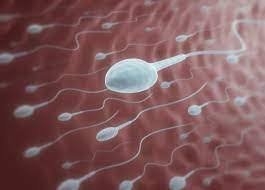
Oligospermia, commonly known as low sperm count, is one of the most common causes of male infertility. The condition occurs when the number of sperm present in semen is lower than normal, reducing the chances of successful fertilization and pregnancy. Although oligospermia can affect men of all ages, many individuals remain unaware of the condition until they undergo fertility testing after experiencing difficulty conceiving.Best Treatment For Oligospermia In Jabalpur
Male infertility contributes to a significant percentage of infertility cases worldwide, making proper diagnosis and treatment essential for couples planning a family. Fortunately, advances in reproductive medicine have made it possible to identify the underlying causes of low sperm count and provide effective treatment options that improve fertility outcomes. Treatment may include medications, lifestyle modifications, nutritional supplementation, treatment of underlying medical conditions, and advanced fertility procedures when necessary.
For couples searching for the best treatment for oligospermia in Jabalpur, comprehensive fertility evaluation and personalized care are crucial. Dr. Ankita Malewar provides infertility evaluation and fertility-focused treatment plans designed to identify the root causes of low sperm count and improve the chances of natural conception and successful pregnancy. Comprehensive fertility care and individualized treatment strategies can help many men achieve significant improvements in reproductive health.
What Is Oligospermia?
Oligospermia is a medical condition characterized by a lower-than-normal concentration of sperm in semen. Healthy sperm count plays an essential role in natural conception because millions of sperm are required to travel through the female reproductive tract to reach and fertilize the egg. When sperm numbers decrease, the probability of successful fertilization also declines.
The severity of oligospermia may vary from mild to severe. Some men may have only a slight reduction in sperm count and can still conceive naturally, while others may experience significantly reduced fertility due to extremely low sperm concentrations. In some cases, low sperm count may occur alongside poor sperm motility and abnormal sperm morphology, further affecting fertility potential.
Although oligospermia can make conception more challenging, it does not necessarily mean that pregnancy is impossible. Many men respond well to treatment once the underlying cause is identified. Early diagnosis and fertility evaluation can significantly improve reproductive outcomes and increase the likelihood of successful conception.
Causes of Oligospermia
Several factors can contribute to low sperm count. Hormonal imbalances are among the most common causes because reproductive hormones regulate sperm production within the testes. Any disruption in hormonal function can negatively affect sperm development and fertility.
Varicocele, a condition involving enlarged veins in the scrotum, is another leading cause of oligospermia. Increased temperature around the testes can impair sperm production and reduce sperm quality. Additionally, infections involving the reproductive tract may damage sperm-producing tissues and interfere with normal fertility.
Lifestyle factors also play a major role. Smoking, excessive alcohol consumption, obesity, chronic stress, poor nutrition, lack of exercise, and inadequate sleep can all contribute to reduced sperm count. Exposure to environmental toxins, industrial chemicals, pesticides, and excessive heat may further affect sperm production.
In some cases, genetic abnormalities, previous surgeries, chronic illnesses, and certain medications may contribute to oligospermia. Because multiple factors often coexist, a thorough fertility evaluation is essential for determining the exact cause and selecting the most effective treatment strategy.
Diagnosis of Oligospermia
Accurate diagnosis is the foundation of successful treatment. Fertility specialists begin by reviewing the patient’s medical history, lifestyle habits, previous illnesses, and reproductive history. This detailed assessment helps identify potential factors affecting sperm production.
Semen analysis remains the most important diagnostic test for oligospermia. The test evaluates sperm concentration, motility, morphology, and overall semen quality. Since sperm parameters may vary over time, repeat testing is sometimes recommended to confirm the diagnosis.
Hormonal testing may be performed to evaluate testosterone levels and other reproductive hormones that influence sperm production. Additional investigations may include ultrasound examination, genetic testing, infection screening, and assessment of underlying medical conditions.
Comprehensive fertility evaluation helps determine the severity of oligospermia and guides treatment planning. Identifying the root cause allows fertility specialists to develop personalized treatment strategies that address specific reproductive concerns and maximize fertility potential.
Best Treatment for Oligospermia
The best treatment for oligospermia depends on the underlying cause. Since every patient has unique fertility challenges, individualized treatment plans often produce the best outcomes. Fertility specialists focus on improving sperm count, enhancing sperm quality, and increasing the chances of conception.
Medical treatment may include fertility-enhancing medications, hormonal therapy, antioxidant supplementation, and treatment of infections when present. Antioxidants such as Zinc, Selenium, Coenzyme Q10, Vitamin C, Vitamin E, and L-Carnitine are commonly recommended because they help protect sperm from oxidative damage and support healthy sperm production.
When varicocele contributes to low sperm count, surgical correction may improve sperm parameters and fertility outcomes. Similarly, treatment of hormonal disorders can stimulate sperm production and restore reproductive function.
Lifestyle modification is another important aspect of treatment. Maintaining a healthy weight, exercising regularly, eating a balanced diet, avoiding smoking and alcohol, managing stress, and improving sleep quality can significantly enhance fertility outcomes when combined with medical therapy.
Advanced Fertility Treatment Options
Some men with severe oligospermia may require advanced fertility treatment to achieve pregnancy. Assisted reproductive technologies can help overcome fertility barriers and improve conception rates.
Intrauterine insemination (IUI) may be recommended when sperm count is mildly reduced and other fertility factors are favorable. During this procedure, specially prepared sperm are placed directly into the uterus around the time of ovulation to increase the likelihood of fertilization.
For more severe cases, in vitro fertilization (IVF) or intracytoplasmic sperm injection (ICSI) may offer the highest chance of success. These advanced reproductive techniques can achieve fertilization even when sperm count is significantly reduced. Modern fertility treatments have enabled many couples affected by male infertility to achieve successful pregnancies.
Why Choose Dr. Ankita Malewar for Oligospermia Treatment?
Successful treatment of oligospermia requires a comprehensive and individualized approach. Dr. Ankita Malewar provides detailed fertility evaluation and evidence-based treatment plans designed to identify and address the underlying causes of male infertility. Her approach focuses on improving reproductive health while maximizing the chances of conception.
Comprehensive assessment allows for accurate diagnosis and personalized treatment recommendations. Fertility evaluation may include semen analysis, hormonal assessment, ultrasound investigations, and reproductive counseling. Based on these findings, treatment plans are tailored to each patient’s specific fertility needs.
Through patient-centered care, ongoing monitoring, and fertility-focused treatment strategies, couples receive the support needed throughout their fertility journey. This comprehensive approach helps improve reproductive outcomes and provides hope for achieving successful parenthood.
Role of Nutrition in Improving Sperm Count
Nutrition plays a vital role in male reproductive health and can significantly influence sperm production, motility, and overall semen quality. The body requires a variety of vitamins, minerals, antioxidants, and essential nutrients to support healthy sperm development. When nutritional deficiencies occur, sperm production may decline, and sperm cells may become more vulnerable to oxidative damage. Therefore, maintaining a balanced and nutrient-rich diet is an important part of oligospermia treatment.
Foods rich in antioxidants help protect sperm cells from free radical damage, which is one of the leading causes of poor sperm quality. Fresh fruits, vegetables, nuts, seeds, whole grains, and lean proteins provide essential nutrients that support healthy reproductive function. Zinc, Selenium, Vitamin C, Vitamin E, Folic Acid, and Coenzyme Q10 are particularly important because they contribute to sperm production and motility. In addition, proper hydration supports overall body function and may positively affect semen quality.
A fertility-focused nutritional plan combined with medical treatment can often improve treatment outcomes. Since sperm production is a continuous process, consistent dietary improvements can contribute to long-term reproductive health and increased fertility potential.
Importance of Lifestyle Modification in Oligospermia Treatment
Lifestyle habits can have a major impact on male fertility and often influence the effectiveness of medical treatment. Many men diagnosed with oligospermia benefit from lifestyle changes that support healthy sperm production and improve overall reproductive function. Consequently, fertility specialists frequently recommend lifestyle modification as an essential component of treatment.
Smoking is strongly associated with reduced sperm count, poor motility, and increased sperm DNA damage. Similarly, excessive alcohol consumption may disrupt hormone production and negatively affect fertility. Maintaining a healthy body weight is equally important because obesity can interfere with testosterone levels and sperm production. Regular physical activity helps improve circulation, supports hormonal balance, and contributes to better reproductive health.
Stress management also plays an important role in fertility improvement. Chronic stress may affect hormone regulation and negatively influence sperm production. Therefore, relaxation techniques, adequate sleep, and healthy coping strategies can support fertility treatment. When combined with appropriate medical care, positive lifestyle changes often enhance treatment success and improve reproductive outcomes.
How Early Treatment Improves Fertility Outcomes
Early diagnosis and treatment of oligospermia can significantly improve the chances of successful conception. Unfortunately, many couples delay fertility evaluation because they assume pregnancy will occur naturally with time. However, postponing assessment may allow underlying fertility problems to persist and potentially worsen. Early intervention provides an opportunity to identify contributing factors and begin appropriate treatment before fertility challenges become more complex.
Comprehensive fertility evaluation helps determine the severity of oligospermia and identify any associated reproductive issues. Once the underlying cause is established, fertility specialists can recommend targeted therapies designed to improve sperm count and semen quality. Early treatment may also reduce the need for more advanced fertility procedures in some cases.
Furthermore, timely intervention provides couples with greater reproductive options and improves overall treatment planning. Whether treatment involves medication, nutritional supplementation, lifestyle modification, or assisted reproductive techniques, addressing fertility concerns early often leads to better outcomes. For this reason, men experiencing fertility challenges should seek professional evaluation as soon as possible rather than waiting for symptoms or reproductive difficulties to progress.
Conclusion: Best Treatment For Oligospermia In Jabalpur
Oligospermia is a common but treatable cause of male infertility. Although low sperm count can reduce the chances of natural conception, effective treatment options are available to improve sperm production, enhance fertility potential, and support successful pregnancy outcomes. Early diagnosis, proper evaluation, and individualized treatment remain essential for achieving the best results.
With expert fertility care, advanced diagnostic evaluation, and personalized treatment planning, many men experience significant improvements in sperm count and reproductive health. Under the guidance of Dr. Ankita Malewar, couples can access comprehensive fertility solutions designed to help them move closer to achieving their dream of parenthood.
Frequently Asked Questions (FAQs) | Best Treatment For Oligospermia In Jabalpur
What is oligospermia?
Oligospermia is a condition in which sperm count is lower than normal, reducing the likelihood of successful fertilization and pregnancy.
Can oligospermia be treated?
Yes. Many cases of oligospermia respond well to medications, hormonal therapy, nutritional supplementation, lifestyle modification, and fertility treatments.
How long does treatment take to improve sperm count?
Since sperm production takes approximately three months, improvements are usually observed after several months of consistent treatment and follow-up.
Can pregnancy occur naturally with oligospermia?
Yes. Many men with mild or moderate oligospermia can achieve natural conception, particularly after appropriate treatment and lifestyle improvements.
When should I consult a fertility specialist?
You should seek fertility evaluation if pregnancy has not occurred after one year of regular unprotected intercourse or if previous semen analysis has shown low sperm count.
Book an Appointment | Best Treatment For Oligospermia In Jabalpur
Dr. Ankita Malewar offers comprehensive fertility assessment, advanced diagnostic testing, and personalized treatment plans for men with low sperm count and other fertility concerns. Through evidence-based fertility care and individualized management, patients receive expert guidance throughout their fertility journey.
To schedule a consultation and learn more about the best treatment options for oligospermia in Jabalpur, visit:
Dr. Ankita Malewar Official Website
At Women Care Clinic, Dr. Ankita Malewar provides compassionate fertility consultation, detailed reproductive evaluation, and personalized fertility medicine guidance according to individual healthcare needs. Every consultation focuses on patient education, emotional reassurance, evidence-based fertility management, and long-term reproductive wellness support.
Several women increasingly prefer healthcare environments where fertility specialists provide supportive communication, privacy-focused consultation, transparent reproductive guidance, and individualized fertility treatment. Women Care Clinic strongly emphasizes compassionate reproductive care, structured fertility evaluation, and personalized parenthood support throughout the fertility journey.