
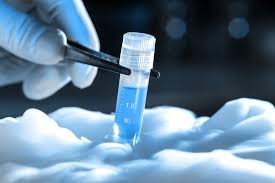
Embryo Freezing Center In Nagpur | Dr. Ankita Malewar
The Embryo Freezing Center In Nagpur is becoming increasingly important for couples planning future pregnancy, undergoing IVF treatment, preserving fertility before medical treatment, or delaying parenthood for personal reasons. Embryo freezing, also called embryo cryopreservation, is an advanced fertility preservation technique where fertilized embryos are frozen and safely stored for future use. Modern reproductive medicine now allows couples to preserve healthy embryos using advanced freezing technologies that support future conception opportunities.
Embryo freezing is commonly recommended during IVF treatment because multiple embryos may develop during one cycle, allowing future pregnancy attempts without repeated ovarian stimulation and egg retrieval procedures. Women undergoing cancer treatment, fertility preservation planning, low ovarian reserve management, or delayed pregnancy planning may also benefit from embryo freezing.
At Dr. Ankita Malewar, fertility care focuses on structured reproductive evaluation, embryo preservation guidance, fertility counseling, ovulation monitoring, IVF support, and personalized fertility planning in Nagpur.
Understanding Embryo Freezing | Embryo Freezing Center In Nagpur
Embryo freezing is a fertility preservation procedure in which fertilized embryos are stored at extremely low temperatures for future pregnancy use. During IVF treatment, eggs are fertilized with sperm in a laboratory, and healthy embryos are selected for freezing.
Advanced cryopreservation methods help preserve embryo quality and reproductive potential effectively. Frozen embryos can later be thawed and transferred into the uterus during a future fertility cycle.
Modern freezing techniques have significantly improved embryo survival rates and reproductive outcomes in fertility medicine.
At Dr. Ankita Malewar, fertility management includes personalized reproductive counseling and embryo preservation guidance according to individual fertility goals.
Why Couples Choose Embryo Freezing
Many couples now choose embryo freezing because it provides reproductive flexibility and future pregnancy opportunities. Women may preserve embryos before cancer treatment, increasing age, fertility decline, or planned delayed pregnancy.
Embryo freezing also helps couples undergoing IVF because additional embryos from one cycle may be preserved for future use. This may reduce the need for repeated ovarian stimulation and egg retrieval procedures during future IVF attempts.
Certain couples may choose embryo preservation for career planning, medical conditions, or fertility preservation before surgeries affecting reproductive health.
At Dr. Ankita Malewar, fertility care focuses on evidence-based reproductive guidance and individualized fertility preservation planning.
Role Of IVF In Embryo Freezing | Embryo Freezing Center In Nagpur
Embryo freezing is commonly performed as part of IVF treatment. During IVF, fertility medicines stimulate ovarian follicles to produce multiple mature eggs. Eggs are then retrieved and fertilized with sperm in the laboratory.
Healthy embryos are monitored carefully during development. Selected embryos may either be transferred immediately or frozen for future pregnancy attempts.
Frozen embryo transfer cycles are now widely used because they allow doctors to prepare the uterus optimally before embryo implantation.
Modern IVF and embryo freezing technologies have significantly improved fertility treatment outcomes and reproductive planning opportunities.
At Dr. Ankita Malewar, fertility treatment includes ovulation monitoring, IVF guidance, embryo preservation counseling, and individualized reproductive care.
Who May Benefit From Embryo Freezing
Embryo freezing may benefit several categories of patients experiencing fertility concerns or future reproductive planning needs.
Women undergoing chemotherapy or radiation treatment may preserve fertility before cancer therapy affects ovarian function. Women with low AMH or declining ovarian reserve may also choose fertility preservation earlier.
Couples undergoing IVF often preserve additional embryos for future pregnancy attempts. Women planning delayed motherhood because of personal, educational, or professional goals may further benefit from embryo freezing.
Certain couples experiencing recurrent IVF failure may also use frozen embryo transfer during future fertility cycles.
At Dr. Ankita Malewar, fertility evaluation focuses on identifying suitable fertility preservation opportunities according to reproductive goals and medical conditions.
Advanced Cryopreservation Techniques
Modern cryopreservation technology has transformed fertility preservation significantly over recent years. Vitrification is one of the most advanced embryo freezing techniques used in reproductive medicine today.
This rapid freezing method helps reduce ice crystal formation inside embryo cells, improving embryo survival during thawing procedures. Advanced laboratory monitoring further supports embryo preservation quality and reproductive success.
Embryologists carefully evaluate embryo development before selecting embryos suitable for freezing.
Frozen embryos may remain safely preserved for extended periods under controlled laboratory conditions.
At Dr. Ankita Malewar, fertility guidance includes structured reproductive planning and advanced embryo preservation counseling.
Frozen Embryo Transfer Process | Embryo Freezing Center In Nagpur
The Frozen embryo transfer is the procedure in which preserved embryos are thawed and transferred into the uterus during a prepared fertility cycle.
Before embryo transfer, doctors monitor uterine lining development and hormonal balance carefully to improve implantation opportunities. Hormonal medicines may be used to prepare the uterus for successful embryo implantation.
The embryo transfer procedure itself is usually simple and carefully monitored under ultrasound guidance.
After transfer, patients receive reproductive monitoring and pregnancy support guidance.
At Dr. Ankita Malewar, fertility management includes individualized frozen embryo transfer planning and continuous reproductive monitoring.
Importance Of Lifestyle During Fertility Preservation
Lifestyle habits significantly influence reproductive health and fertility outcomes during embryo preservation treatment. Smoking negatively affects egg quality, embryo development, and reproductive function.
Alcohol consumption may interfere with hormonal balance and fertility health. Women are usually advised to maintain healthy body weight because obesity may affect IVF outcomes and embryo implantation.
Balanced nutrition rich in proteins, antioxidants, vitamins, fruits, vegetables, and healthy fats supports reproductive wellness naturally.
Stress management and proper sleep are equally important because emotional well-being influences hormonal regulation during fertility treatment.
At Dr. Ankita Malewar, fertility counseling includes nutritional guidance and reproductive wellness support during embryo preservation treatment.
Emotional Support During Fertility Treatment
Fertility preservation and IVF treatment often create emotional stress, anxiety, and uncertainty among couples planning future parenthood. Repeated fertility challenges and delayed conception may further increase emotional pressure.
Supportive counseling helps couples understand fertility treatment stages more confidently and reduces emotional burden during reproductive care.
Compassionate communication and individualized fertility guidance play an important role in improving treatment confidence and emotional reassurance.
Understanding fertility preservation options early often helps couples approach reproductive planning more positively.
At Dr. Ankita Malewar, fertility care includes emotional support and individualized counseling throughout the fertility journey.
Importance Of Early Fertility Preservation
Early fertility preservation significantly improves future reproductive opportunities because ovarian reserve and egg quality decline gradually with age.
Women planning delayed pregnancy or facing medical conditions affecting fertility should especially consider early fertility evaluation and embryo preservation consultation.
Timely reproductive assessment helps doctors evaluate ovarian reserve, hormonal balance, and fertility potential before beginning preservation planning.
Women with low AMH, endometriosis, recurrent IVF failure, or planned medical treatment may particularly benefit from early fertility preservation guidance.
At Dr. Ankita Malewar, fertility evaluation focuses on early reproductive assessment and personalized fertility preservation planning in Nagpur.
Personalized Fertility Care For Better Outcomes
Every fertility case differs according to age, ovarian reserve, hormonal balance, reproductive history, embryo quality, and overall health. Personalized fertility care helps create targeted treatment plans according to individual reproductive goals.
Some couples may require embryo freezing during IVF treatment, while others may pursue fertility preservation because of medical or personal planning needs.
Continuous reproductive monitoring helps doctors assess ovarian response, embryo quality, and treatment effectiveness more accurately.
Individualized fertility care significantly improves patient confidence and long-term reproductive planning opportunities.
At Dr. Ankita Malewar, fertility management focuses on patient-centered reproductive care designed according to individual fertility conditions and conception goals.
Conclusion: Embryo Freezing Center In Nagpur
Embryo Freezing Center In Nagpur plays an important role in helping couples preserve fertility and improve future pregnancy opportunities through advanced reproductive medicine. Embryo cryopreservation is now widely used during IVF treatment, fertility preservation planning, delayed parenthood, cancer treatment preparation, and reproductive management for low ovarian reserve.
Modern fertility medicine now includes advanced cryopreservation techniques, embryo culture systems, frozen embryo transfer, ovulation monitoring, hormonal assessment, fertility counseling, and personalized reproductive planning that significantly improve fertility outcomes.
Early fertility consultation and individualized treatment planning remain essential for better reproductive success. Emotional reassurance and supportive counseling further help couples approach fertility treatment confidently.
At Dr. Ankita Malewar, patients receive structured fertility evaluation, embryo preservation guidance, reproductive monitoring, fertility counseling, and personalized fertility care in Nagpur.
Frequently Asked Questions (FAQs)
What is embryo freezing?
Embryo freezing is a fertility preservation procedure where fertilized embryos are stored for future pregnancy use.
Why is embryo freezing done?
It helps preserve fertility and future pregnancy opportunities.
Is embryo freezing part of IVF?
Yes, embryo freezing is commonly performed during IVF treatment.
Can frozen embryos be used later?
Yes, frozen embryos may be thawed and transferred during future fertility cycles.
Who may benefit from embryo freezing?
Women planning delayed pregnancy, IVF patients, and fertility preservation candidates may benefit.
Is frozen embryo transfer safe?
Frozen embryo transfer is widely used and carefully monitored during fertility treatment.
Does age affect fertility preservation?
Yes, fertility potential gradually declines with increasing age.
Why consult Dr. Ankita Malewar?
Dr. Ankita Malewar provides individualized fertility evaluation and embryo preservation guidance in Nagpur.
Book an Appointment : Embryo Freezing Center In Nagpur
Couples planning IVF treatment, delayed pregnancy, fertility preservation, recurrent IVF treatment, low AMH management, or future reproductive planning should seek early fertility consultation because timely fertility preservation may improve reproductive opportunities significantly.
At Dr. Ankita Malewar, patients receive advanced fertility evaluation, ovulation monitoring, embryo preservation counseling, hormonal assessment, IVF guidance, reproductive planning, and personalized fertility care in Nagpur. Women and couples receive confidential consultation, evidence-based reproductive treatment, and continuous fertility support throughout their reproductive journey.
Book Your Fertility Consultation Today
Personalized Fertility Treatment Plans
Advanced IVF & ICSI Procedures
Comprehensive Male & Female Fertility Evaluation
Compassionate and Confidential Care
Modern Fertility Technology and Support
Take the first step toward parenthood with expert fertility care and compassionate support from Dr. Ankita Malewar at a leading IVF Center.
Follow us on Social Media
- Additionally
- Again
- Also
- And
- As a result
- At first
- At last
- At the same time
- Because
- Before
- Besides
- Certainly
- Comparatively
- Consequently
- Conversely
- Despite this
- During
- Earlier
- Equally
- Especially
- Even so
- Eventually
- Finally
- First
- Firstly
- For example
- For instance
- Furthermore
- Hence
- However
- In addition
- In conclusion
- In contrast
- In fact
- In other words
- In short
- In the meantime
- In the same way
- Indeed
- Instead
- Last
- Lastly
- Likewise
- Meanwhile
- Moreover
- Namely
- Nevertheless
- Next
- Nonetheless
- Now
- On the contrary
- On the other hand
- Overall
- Particularly
- Previously
- Rather
- Similarly
- Since
- So
- Specifically
- Still
- Subsequently
- Such as
- Then
- Therefore
- Thus
- To begin with
- To clarify
- To conclude
- To demonstrate
- To emphasize
- To explain
- To illustrate
- To put it differently
- To summarize
- Ultimately
- Undoubtedly
- Unlike
- Until
- Usually
- Whereas
- While
- Yet