
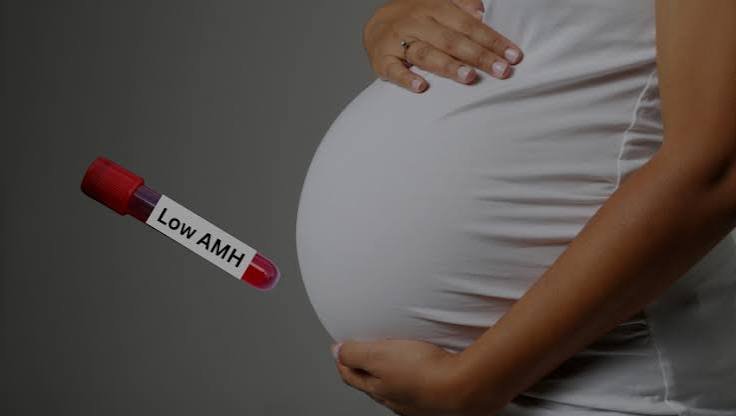
Female Infertility Treatment for Low AMH in Raipur | Dr. Ankita Malewar
A low Anti-Müllerian Hormone (AMH) level indicates a reduced ovarian reserve and can make it more difficult for a woman to conceive naturally. However, low AMH does not mean pregnancy is impossible. Many women with low AMH achieve successful pregnancies through timely diagnosis, personalized fertility care, and advanced reproductive treatments. If you are searching for Female Infertility Treatment for Low AMH in Raipur, consulting an experienced fertility specialist is the first step toward understanding your fertility potential and choosing the most effective treatment. Early evaluation helps identify the underlying cause of reduced ovarian reserve and allows doctors to recommend treatment before fertility declines further.
Dr. Ankita Malewar offers comprehensive fertility evaluation and individualized treatment for women with low AMH. She carefully assesses ovarian reserve, menstrual history, hormonal balance, reproductive health, and previous fertility history before preparing a customized treatment plan.
Understanding Low AMH and Ovarian Reserve
Anti-Müllerian Hormone (AMH) is produced by the small follicles present inside the ovaries. Doctors use this hormone as an important marker to estimate ovarian reserve, which refers to the number of eggs remaining in a woman’s ovaries. Although AMH helps estimate egg quantity, it does not directly measure egg quality. Therefore, women with low AMH can still conceive naturally or with fertility treatment, especially if they continue to ovulate regularly.
AMH levels gradually decline with age because every woman is born with a fixed number of eggs that naturally decrease over time. Some women experience reduced ovarian reserve earlier than expected due to medical conditions, genetics, ovarian surgery, autoimmune disorders, or endometriosis. Since every woman has a different reproductive profile, fertility specialists always interpret AMH results along with age, ultrasound findings, menstrual history, ovulation pattern, and hormonal investigations.
Common Causes of Low AMH
Several medical and lifestyle factors can contribute to low AMH levels. Increasing age remains the most common cause because ovarian reserve naturally decreases throughout a woman’s reproductive years. However, younger women may also develop low AMH due to premature ovarian insufficiency, genetic abnormalities, autoimmune diseases, or previous ovarian surgery.
Endometriosis can reduce ovarian reserve by damaging healthy ovarian tissue or requiring repeated ovarian cyst surgery. Cancer treatments such as chemotherapy and radiation therapy may also affect ovarian function and lower AMH levels. Certain hormonal disorders, pelvic infections, and chronic medical illnesses may further influence fertility.
Lifestyle habits also play an important role in reproductive health. Smoking, excessive alcohol consumption, obesity, poor nutrition, chronic stress, lack of sleep, and exposure to environmental toxins may negatively affect ovarian function. Although these factors do not always directly cause low AMH, they can reduce overall fertility and influence treatment outcomes. Identifying the exact cause helps fertility specialists create individualized treatment plans that address both medical and lifestyle-related factors affecting conception.
Comprehensive Evaluation Before Female Infertility Treatment for Low AMH in Raipur
Successful fertility treatment always begins with a complete reproductive evaluation. Dr. Ankita Malewar performs a detailed assessment before recommending any medication or fertility procedure. This comprehensive approach helps identify factors that may influence ovarian reserve, ovulation, fertilization, and implantation.
The evaluation begins with a detailed medical history, menstrual history, previous pregnancies, miscarriages, surgeries, family history, and lifestyle assessment. Blood tests commonly include AMH, Follicle Stimulating Hormone (FSH), Luteinizing Hormone (LH), Estradiol, Thyroid Stimulating Hormone (TSH), and Prolactin. These investigations help evaluate ovarian function and hormonal balance.
Pelvic ultrasound plays an important role by assessing ovarian reserve through the antral follicle count while evaluating the uterus and ovaries for fibroids, ovarian cysts, polyps, or endometriosis. Depending on individual findings, additional investigations such as fallopian tube evaluation or hysteroscopy may also be recommended. This detailed diagnostic process allows Dr. Ankita Malewar to create a personalized fertility treatment plan that addresses every aspect of the patient’s reproductive health.
Female Infertility Treatment for Low AMH in Raipur
The most appropriate Female Infertility Treatment for Low AMH in Raipur depends on several important factors, including age, ovarian reserve, menstrual regularity, overall reproductive health, the duration of infertility, and the fertility status of both partners. Dr. Ankita Malewar carefully evaluates every patient before creating an individualized treatment strategy because every woman responds differently to fertility treatment.
Women who continue to ovulate regularly may benefit from ovulation monitoring and accurately timed intercourse. Some patients respond well to fertility medications that stimulate healthy follicular development and improve the chances of releasing a mature egg. Hormonal therapy may also help women whose infertility results from endocrine disorders.
Women with significantly reduced ovarian reserve often require earlier fertility intervention because ovarian reserve naturally continues to decline over time. Depending on the clinical findings, treatment may include Intrauterine Insemination (IUI) or In Vitro Fertilization (IVF). During IVF, fertility specialists closely monitor ovarian stimulation, egg development, fertilization, and embryo growth to maximize pregnancy opportunities. Continuous monitoring throughout treatment allows timely adjustments that improve reproductive outcomes while providing couples with realistic expectations and individualized care.
Lifestyle Changes That Support Fertility
Although medical treatment plays a vital role in managing low AMH, healthy lifestyle choices can improve overall reproductive health and support fertility treatment. While lifestyle changes cannot increase AMH levels or restore lost ovarian reserve, they can enhance egg quality, improve hormonal balance, and prepare the body for conception. Dr. Ankita Malewar encourages women to combine medical treatment with healthy daily habits to achieve the best possible fertility outcomes.
A balanced diet rich in fresh fruits, vegetables, whole grains, lean proteins, healthy fats, nuts, and seeds supplies the nutrients needed for normal ovarian function. Foods containing antioxidants help protect eggs from oxidative stress, which may affect egg quality. Regular physical activity supports healthy body weight, improves blood circulation, and promotes hormonal balance without placing excessive stress on the body.
Advanced Fertility Treatments for Women with Low AMH
Some women with low AMH require advanced fertility treatments to improve their chances of conception. Dr. Ankita Malewar carefully recommends assisted reproductive techniques after evaluating ovarian reserve, age, hormonal profile, reproductive history, and the fertility status of both partners. Every treatment plan focuses on maximizing pregnancy opportunities while using the most appropriate fertility approach.
Intrauterine Insemination (IUI) may benefit selected women who continue to ovulate and have no significant fallopian tube problems. During this procedure, specially prepared sperm are placed directly inside the uterus during ovulation to improve the chances of fertilization.
Women with significantly reduced ovarian reserve often achieve better outcomes with In Vitro Fertilization (IVF). IVF allows fertility specialists to monitor ovarian stimulation, retrieve available eggs, fertilize them in a specialized laboratory, and transfer a healthy embryo into the uterus. Advanced laboratory techniques and individualized stimulation protocols help optimize treatment results.
Why Choose Dr. Ankita Malewar for Female Infertility Treatment for Low AMH in Raipur?
Choosing the right fertility specialist can make a significant difference in your treatment journey. Dr. Ankita Malewar provides comprehensive fertility care that focuses on identifying the exact cause of infertility before recommending treatment. Her personalized approach ensures that every woman receives care based on her individual reproductive health, ovarian reserve, age, and future family planning goals.
Her fertility services include detailed hormonal assessment, ovarian reserve evaluation, ovulation monitoring, pelvic ultrasound, fertility counseling, fallopian tube assessment, and advanced reproductive treatments such as IUI and IVF. She carefully explains every investigation and treatment option, allowing couples to make informed decisions with confidence.
Dr. Ankita Malewar combines evidence-based fertility care with compassionate patient support throughout every stage of treatment. She continuously monitors treatment response, modifies fertility protocols whenever required, and works closely with couples to improve pregnancy outcomes.
Frequently Ask Questions (FAQ)
1. What does a low AMH level mean?
A low AMH level indicates reduced ovarian reserve, which means the ovaries contain fewer remaining eggs than expected for a woman’s age. It does not automatically mean pregnancy is impossible.
2. Can I get pregnant naturally with low AMH?
Yes. Many women with low AMH conceive naturally, especially if they ovulate regularly and have no other fertility problems. Early fertility evaluation improves the chances of successful conception.
3. What is the best treatment for low AMH?
The best treatment depends on age, ovarian reserve, menstrual cycle, and overall reproductive health. Treatment may include ovulation induction, fertility medications, IUI, IVF, or other personalized fertility options.
4. Does low AMH always require IVF?
No. Some women achieve pregnancy with medications or IUI. Fertility specialists recommend IVF when it offers the best chance of success based on the patient’s fertility evaluation.
5. Can lifestyle changes improve fertility with low AMH?
Healthy lifestyle habits cannot increase AMH levels, but they can improve overall reproductive health, egg quality, hormonal balance, and response to fertility treatment.
6. Which tests are recommended for women with low AMH?
Doctors usually recommend AMH testing, hormonal blood tests, pelvic ultrasound, antral follicle count, ovulation assessment, and fallopian tube evaluation when necessary.
7. When should I consult a fertility specialist for low AMH?
You should consult a fertility specialist as soon as you receive a low AMH diagnosis or if you have difficulty conceiving. Early treatment provides more fertility options.
8. Why choose Dr. Ankita Malewar for Female Infertility Treatment for Low AMH in Raipur?
Dr. Ankita Malewar offers comprehensive fertility evaluation, personalized treatment planning, advanced reproductive technologies, evidence-based fertility care, and compassionate support to help women achieve successful pregnancies.
Book Consultation
If you have been diagnosed with low AMH or have experienced difficulty conceiving, do not delay your fertility evaluation. Early diagnosis allows fertility specialists to recommend appropriate treatment before ovarian reserve declines further. Timely intervention often improves treatment options and increases the likelihood of achieving pregnancy.
Dr. Ankita Malewar offers comprehensive fertility assessment, ovarian reserve evaluation, hormonal testing, ultrasound monitoring, fertility counseling, ovulation assessment, IUI, IVF, and personalized Female Infertility Treatment for Low AMH in Raipur. Schedule your consultation today to receive expert fertility guidance, accurate diagnosis, and an individualized treatment plan designed to help you achieve your dream of becoming a mother.