
Low Sperm Motility & Morphology Treatment in Jabalpur | Dr. Ankita Malewar
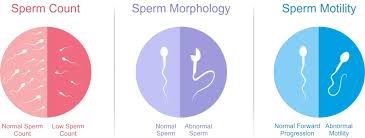
Low Sperm Motility & Morphology Treatment in Jabalpur is one of the most searched male fertility concerns among couples struggling to conceive naturally. Sperm motility refers to the ability of sperm to move efficiently toward the egg, while sperm morphology refers to the size, shape, and structure of sperm. Both factors play a critical role in successful fertilization. Even when sperm count appears normal, poor motility or abnormal morphology can significantly reduce the chances of pregnancy.
Male infertility contributes to a substantial percentage of infertility cases, and abnormalities in sperm movement and shape are among the most common causes. Fortunately, modern fertility medicine offers advanced diagnostic testing, medical treatment, lifestyle interventions, fertility-enhancing therapies, and assisted reproductive techniques that can help improve fertility outcomes. Comprehensive semen analysis is often the first step in identifying abnormalities in motility and morphology.
Dr. Ankita Malewar provides comprehensive male fertility evaluation and personalized treatment plans for men experiencing low sperm motility and abnormal sperm morphology in Jabalpur. Through evidence-based fertility care and individualized treatment strategies, couples can receive expert guidance on their journey toward parenthood.
Understanding Sperm Motility
Sperm motility refers to the ability of sperm to move effectively through the female reproductive tract and reach the egg for fertilization. Healthy sperm must demonstrate strong forward progression because successful conception depends on their ability to travel a significant distance. When sperm movement is reduced, the likelihood of fertilization decreases substantially.
Poor sperm motility, also known as asthenozoospermia, can make natural conception difficult even when sperm count is normal. Fertility specialists evaluate sperm movement during semen analysis and assess both the percentage of moving sperm and the quality of their movement. Research and fertility guidelines indicate that progressive sperm movement is an essential factor in male fertility assessment.
Because sperm motility directly affects fertilization potential, identifying and treating underlying causes is an important step in improving male reproductive health.
Causes of Low Sperm Motility and Poor Morphology
Several medical, environmental, and lifestyle factors can contribute to abnormalities in sperm movement and structure. Varicocele is one of the most common causes because it increases testicular temperature and may impair sperm production. Hormonal imbalances can also affect sperm development and quality.
Lifestyle habits such as smoking, excessive alcohol consumption, obesity, poor nutrition, chronic stress, inadequate sleep, and exposure to environmental toxins may negatively affect sperm health. Infections involving the reproductive tract can further impair sperm function and contribute to abnormal semen parameters. Excessive heat exposure, including prolonged use of hot baths or occupational heat exposure, may also affect sperm quality.
Because multiple factors often contribute simultaneously, comprehensive fertility evaluation remains essential for identifying the underlying causes and developing an effective treatment plan.
Symptoms and Signs of Male Fertility Problems
Many men with low sperm motility and poor morphology experience no obvious symptoms. In most cases, fertility concerns become apparent only when a couple experiences difficulty achieving pregnancy despite regular unprotected intercourse.
Some men may experience symptoms related to underlying conditions affecting fertility. These can include testicular discomfort, hormonal imbalances, sexual dysfunction, or a history of reproductive infections. However, the absence of symptoms does not necessarily indicate normal fertility.
For this reason, semen analysis remains one of the most important diagnostic tools for evaluating male reproductive health and identifying fertility concerns that may otherwise go unnoticed.
Diagnosis of Low Sperm Motility and Morphology
Accurate diagnosis begins with a detailed fertility evaluation. Fertility specialists review medical history, lifestyle factors, previous illnesses, medications, and reproductive history to identify potential contributing factors.
Semen analysis is the primary diagnostic test used to evaluate sperm count, motility, morphology, and overall semen quality. Since sperm parameters can vary over time, repeat testing may be recommended to confirm findings. Additional investigations may include hormonal testing, ultrasound evaluation, infection screening, and genetic assessment when necessary.
A thorough diagnostic approach allows fertility specialists to identify the specific causes of abnormal sperm parameters and develop individualized treatment recommendations.
Medical Treatment for Low Sperm Motility and Morphology
Treatment depends on the underlying cause and severity of the condition. Many men benefit from medications designed to improve reproductive health and support healthy sperm production. Hormonal therapy may be recommended when hormonal abnormalities contribute to fertility problems.
Antioxidant supplementation is frequently used because oxidative stress is a major factor affecting sperm quality. Nutrients such as Zinc, Selenium, Coenzyme Q10, Vitamin C, Vitamin E, and L-Carnitine may help protect sperm from damage and improve motility. Infections are treated promptly with appropriate medications to reduce inflammation and prevent further reproductive harm.
Since sperm development requires approximately three months, treatment outcomes often become noticeable gradually. Consistent follow-up and adherence to treatment recommendations are important for achieving optimal results.
Lifestyle Changes That Improve Sperm Health
Lifestyle modification plays a crucial role in improving sperm motility and morphology. Healthy habits can enhance treatment outcomes and support long-term reproductive health.
A balanced diet rich in fruits, vegetables, whole grains, nuts, seeds, and lean proteins provides essential nutrients required for sperm production. Regular exercise supports hormonal balance and overall health. Maintaining a healthy body weight is particularly important because obesity can negatively affect fertility.
Smoking cessation, limiting alcohol intake, reducing stress, and obtaining adequate sleep can also contribute to improved sperm quality. These positive lifestyle changes often work synergistically with medical treatment to enhance fertility outcomes.
Advanced Fertility Treatments for Severe Cases
In some cases, medical treatment and lifestyle changes may not be sufficient to achieve pregnancy. Advanced fertility treatments can help overcome severe sperm motility or morphology abnormalities and improve the chances of conception.
Intrauterine Insemination (IUI) may be recommended for mild male factor infertility. During IUI, sperm are specially processed to concentrate the healthiest and most motile sperm before insemination. This increases the likelihood of fertilization.
For more severe cases, In Vitro Fertilization (IVF) or Intracytoplasmic Sperm Injection (ICSI) may provide higher success rates. These advanced reproductive technologies allow fertilization even when sperm quality is significantly compromised.
Importance of Early Fertility Evaluation
Early fertility evaluation provides valuable opportunities for diagnosis and intervention. Many couples delay fertility assessment, hoping that conception will occur naturally. However, postponing evaluation may allow fertility problems to persist and potentially worsen.
Timely diagnosis helps identify reproductive concerns before they become more complex. Early treatment often improves outcomes and expands available fertility options. Couples also benefit from greater clarity regarding their reproductive health and future treatment planning.
Seeking professional fertility evaluation at an early stage can significantly improve the chances of successful conception and parenthood.
Why Choose Dr. Ankita Malewar for Male Fertility Treatment in Jabalpur?
Successful management of male infertility requires accurate diagnosis, personalized treatment planning, and ongoing support. Dr. Ankita Malewar provides comprehensive fertility evaluation and individualized treatment strategies designed to address the specific causes of low sperm motility and abnormal morphology.
Patients receive detailed reproductive assessment, evidence-based treatment recommendations, and continuous monitoring throughout their fertility journey. A patient-centered approach ensures that every treatment plan is tailored according to individual fertility needs and reproductive goals.
Through comprehensive fertility care and advanced reproductive evaluation, couples receive guidance designed to maximize fertility potential and improve pregnancy outcomes.
Role of Semen Analysis in Monitoring Treatment Progress
Semen analysis plays a crucial role not only in diagnosing low sperm motility and abnormal sperm morphology but also in monitoring treatment effectiveness over time. Since sperm production is a continuous process, fertility specialists use periodic semen analysis to evaluate improvements in sperm quality and determine how well a patient is responding to treatment. Regular monitoring helps ensure that treatment plans remain effective and allows adjustments when necessary.
During follow-up evaluations, fertility specialists assess changes in sperm count, motility, morphology, concentration, and overall semen quality. Improvements in these parameters often indicate that medications, nutritional supplements, lifestyle modifications, or other fertility treatments are producing positive results. In some cases, semen analysis may also identify persistent abnormalities that require additional investigation or alternative treatment approaches.
Monitoring sperm health through repeat testing provides valuable information for future fertility planning. Couples can better understand their chances of natural conception and determine whether advanced reproductive treatments such as IUI, IVF, or ICSI may be beneficial. Furthermore, regular assessment helps track long-term reproductive health and ensures that fertility goals remain achievable.
Conclusion: Low Sperm Motility & Morphology Treatment in Jabalpur
Low sperm motility and abnormal sperm morphology are common causes of male infertility, but effective treatment options are available. Through accurate diagnosis, medical management, lifestyle improvements, and advanced fertility treatments when necessary, many men experience significant improvements in reproductive health and fertility potential.
With expert fertility evaluation and personalized treatment from Dr. Ankita Malewar, couples can access comprehensive fertility care designed to address male reproductive challenges and support successful pregnancy outcomes.
Frequently Asked Questions (FAQs)
What is low sperm motility?
Low sperm motility refers to reduced sperm movement, making it difficult for sperm to reach and fertilize the egg.
What is abnormal sperm morphology?
Abnormal sperm morphology means sperm have structural abnormalities affecting their shape, head, neck, or tail, which may reduce fertility.
Can sperm motility and morphology improve naturally?
Yes. Healthy lifestyle changes, improved nutrition, exercise, stress reduction, and avoiding smoking and alcohol may help improve sperm quality.
How is low sperm motility diagnosed?
Semen analysis is the primary test used to evaluate sperm movement, count, and overall semen quality.
Can pregnancy occur with poor sperm morphology?
Yes. Many men with abnormal sperm morphology achieve pregnancy naturally or with fertility treatments depending on the severity of the condition.
How long does treatment take to improve sperm quality?
Most improvements are observed after approximately three months because sperm production and maturation require time.
When should I consult a fertility specialist?
You should seek evaluation if pregnancy has not occurred after one year of regular unprotected intercourse or sooner if known fertility concerns are present.
Book an Appointment : Low Sperm Motility & Morphology Treatment in Jabalpur
If you have been diagnosed with low sperm motility, poor sperm morphology, or are experiencing difficulty conceiving, seeking professional fertility evaluation is an important step. Early diagnosis and personalized treatment can significantly improve sperm quality and reproductive outcomes.
Dr. Ankita Malewar offers comprehensive male fertility assessment, semen analysis evaluation, advanced diagnostic testing, and personalized treatment plans in Jabalpur. Through expert fertility care and evidence-based management, patients receive individualized support aimed at improving fertility and increasing the chances of successful conception.
Book your appointment today and take the first step toward understanding your fertility health and achieving your dream of parenthood.
Book Your Fertility Consultation Today
Personalized Fertility Treatment Plans
Advanced IVF & ICSI Procedures
Comprehensive Male & Female Fertility Evaluation
Compassionate and Confidential Care
Modern Fertility Technology and Support
Take the first step toward parenthood with expert fertility care and compassionate support from Dr. Ankita Malewar at a leading IVF Center.
Follow us on Social Media
- Additionally
- Furthermore
- Moreover
- In addition
- Besides
- Also
- Similarly
- Likewise
- Equally important
- Not only that
- Another benefit
- On the other hand
- However
- Nevertheless
- Nonetheless
- Even so
- In contrast
- Conversely
- As a result
- Therefore
- Thus
- Consequently
- Hence
- For this reason
- Accordingly
- For example
- For instance
- Specifically
- In particular
- To illustrate
- Such as
- In other words
- In fact
- Indeed
- Above all
- Most importantly
- Notably
- Especially
- Certainly
- Undoubtedly
- Ultimately
- Finally
- In conclusion
- To summarize
- Overall
- Meanwhile
- At the same time
- Subsequently
- Thereafter
- First
- Second
- Third
- Next
- Then
- Lastly