
Medicine for Azoospermia in Nagpur | Dr. Ankita Malewar
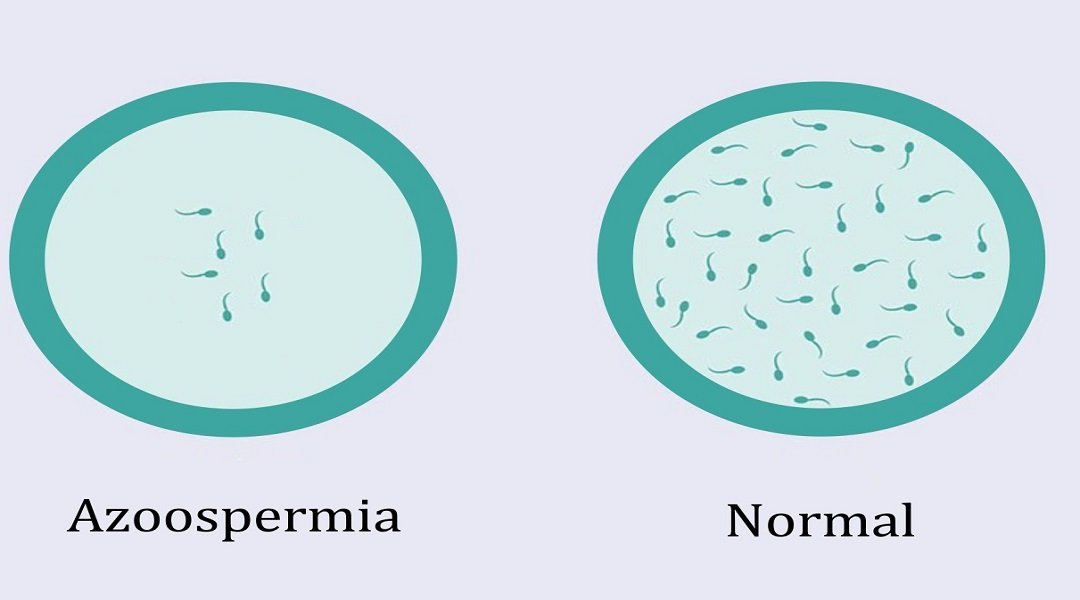
Medicine For Azoospermia In Nagpur is increasingly sought by couples facing male infertility concerns and conception difficulties. Azoospermia is a medical condition in which semen contains no sperm. This condition may significantly reduce the chances of natural conception. Consequently, awareness regarding male infertility and reproductive treatment has increased rapidly in recent years.
Male infertility contributes to a large percentage of fertility-related problems among couples trying to conceive. However, many men hesitate to seek medical consultation because of social stigma, emotional discomfort, or lack of awareness. Delayed diagnosis may gradually affect reproductive confidence and emotional wellness. Therefore, early fertility evaluation remains extremely important for couples planning pregnancy.
Several medical and lifestyle-related conditions may contribute to azoospermia. Hormonal imbalance, infections, reproductive tract blockage, obesity, smoking, alcohol use, stress, poor nutrition, and chronic medical disorders frequently affect sperm production. Environmental toxins and unhealthy lifestyle habits may also negatively influence reproductive health over time.
At Women Care Clinic, Dr. Ankita Malewar provides perso
Causes Of Azoospermia In Men | Medicine For Azoospermia In Nagpur
Azoospermia may develop because of obstructive or non-obstructive fertility conditions. Obstructive azoospermia occurs when sperm production remains normal but blockage prevents sperm from entering semen. Non-obstructive azoospermia usually involves reduced or absent sperm production inside the testes.
Hormonal imbalance frequently affects reproductive hormone regulation and sperm development. Testosterone abnormalities, pituitary disorders, and thyroid dysfunction may interfere with healthy sperm production. Testicular injury, infections, previous surgeries, and genetic abnormalities may additionally contribute to male infertility.
Lifestyle habits also influence fertility significantly. Smoking and alcohol consumption may negatively affect sperm-producing cells. Obesity frequently contributes to hormonal imbalance and reproductive dysfunction. Chronic stress may interfere with hormonal regulation and fertility potential. Poor dietary habits and inadequate sleep may further worsen reproductive wellness.
Some men develop azoospermia because of reproductive infections affecting sperm transport or sperm production. In certain cases, genetic conditions may interfere with testicular function and reproductive health. Consequently, detailed fertility evaluation becomes extremely important before treatment planning begins.
Symptoms Associated With Azoospermia | Medicine For Azoospermia In Nagpur
Many men with azoospermia may not notice obvious symptoms during the early stages. Most patients discover fertility concerns only after repeated conception difficulties and fertility testing. Consequently, semen analysis remains one of the most important investigations for diagnosing azoospermia.
Some men may experience hormonal symptoms such as reduced libido, fatigue, erectile dysfunction, reduced facial hair growth, or decreased muscle mass. Others may notice discomfort, swelling, or pain involving reproductive organs depending on the underlying medical condition.
Several men may also experience emotional symptoms related to infertility. Stress, anxiety, disappointment, frustration, and reduced confidence frequently affect emotional wellness after fertility diagnosis. Emotional pressure may gradually influence relationships and overall mental health.
Importance Of Early Medicine For Azoospermia In Nagpur
Early fertility diagnosis frequently improves reproductive management and treatment possibilities. Couples should consider fertility evaluation if pregnancy does not occur after one year of regular attempts. Timely diagnosis may help identify hormonal imbalance, reproductive blockage, infections, or sperm production problems before complications increase further.
Delayed fertility treatment may gradually affect reproductive confidence and emotional wellness. Several couples continue postponing fertility consultation because of stress, embarrassment, or lack of awareness. However, early reproductive evaluation often improves treatment planning and fertility outcomes significantly.
Semen analysis, hormonal evaluation, ultrasound investigations, and reproductive history assessment help specialists identify the root cause of azoospermia accurately. Fertility specialists may additionally recommend advanced investigations in selected cases depending on fertility condition severity.
At Women Care Clinic, Dr. Ankita Malewar carefully evaluates medical history, reproductive symptoms, hormonal balance, and lifestyle factors before recommending fertility treatment strategies according to individual reproductive needs.
Medicine For Azoospermia In Nagpur And Hormonal Treatment
Many men now seek Medicine For Azoospermia In Nagpur because medical treatment may improve fertility in selected cases. Fertility specialists generally recommend treatment according to the underlying cause of azoospermia and reproductive health condition.
Hormonal medications may help men experiencing testosterone imbalance or hormonal dysfunction affecting sperm production. Hormonal therapy frequently supports reproductive hormone regulation and may improve sperm development in certain patients. Treatment duration usually varies according to fertility diagnosis and hormonal response.
Nutritional supplements containing antioxidants, vitamins, zinc, selenium, folic acid, and fertility-supportive nutrients may additionally support reproductive wellness. Antioxidants frequently help reduce oxidative stress affecting sperm-producing cells negatively.
Some patients experiencing infections affecting reproductive health may require antibiotics and infection management. Fertility specialists may also recommend lifestyle modification alongside medication to support fertility improvement naturally.
At Women Care Clinic, Dr. Ankita Malewar designs personalized fertility treatment plans according to fertility condition severity, hormonal health, reproductive goals, and overall wellness requirements.
Lifestyle Changes Supporting Fertility Improvement
Healthy lifestyle practices frequently support fertility improvement and reproductive wellness. Smoking cessation may positively influence sperm-producing cells and hormonal balance. Reducing alcohol consumption may additionally improve reproductive health and fertility potential.
Balanced nutrition frequently supports sperm production and overall reproductive wellness. Protein-rich foods, antioxidants, hydration, vitamins, fruits, vegetables, and mineral-rich diets may positively affect fertility. Poor dietary habits and nutritional deficiencies may negatively influence hormonal balance and sperm development.
Regular physical activity may support weight management and hormonal regulation. Obesity frequently contributes to fertility problems because excessive body fat may interfere with reproductive hormones. Adequate sleep and stress management also play important roles in fertility improvement.
Chronic stress may negatively affect reproductive hormones and sperm production. Relaxation techniques, meditation, emotional support, and healthy routines frequently help improve emotional wellness during fertility treatment.
Advanced Fertility Treatments For Severe Azoospermia
Some men experiencing azoospermia may require advanced fertility procedures for successful conception. Fertility specialists may recommend sperm retrieval procedures, IVF, or ICSI depending on reproductive diagnosis and fertility condition severity.
Sperm retrieval procedures may help obtain sperm directly from reproductive tissues in selected cases. Retrieved sperm may then support assisted reproductive treatment procedures according to fertility requirements.
IVF treatment involves fertilizing eggs outside the body under laboratory conditions before embryo transfer. ICSI, also known as Intracytoplasmic Sperm Injection, frequently helps couples facing severe male infertility concerns. During ICSI treatment, embryologists inject a single healthy sperm directly into the egg to support fertilization.
Modern reproductive technologies have significantly improved parenthood possibilities for couples experiencing severe fertility concerns. Several couples now achieve successful pregnancy outcomes because of advancements in fertility medicine and assisted reproductive care.
Emotional Impact Of Male Infertility | Medicine For Azoospermia In Nagpur
Male infertility often affects emotional wellness alongside reproductive health. Many men experience stress, disappointment, frustration, anxiety, and emotional pressure after learning about fertility concerns. Emotional stress may gradually affect relationships, social interactions, and mental health.
Several couples hesitate to discuss male infertility openly because of embarrassment or social stigma. However, supportive healthcare environments frequently help patients feel emotionally secure during fertility treatment and reproductive care.
Emotional reassurance remains extremely important throughout fertility treatment because reproductive care often involves uncertainty, waiting periods, and emotional expectations. Compassionate consultation frequently improves patient confidence and treatment satisfaction significantly.
At Women Care Clinic, Dr. Ankita Malewar focuses strongly on emotionally supportive fertility care while guiding patients through diagnosis, treatment planning, and long-term reproductive management.
Why Choose Dr. Ankita Malewar For Medicine For Azoospermia In Nagpur
Couples seeking fertility treatment often prefer specialists who combine reproductive expertise with compassionate patient care. Many patients appreciate healthcare experiences where doctors provide privacy-focused consultation, transparent fertility guidance, and emotionally supportive treatment planning.
At Women Care Clinic, Dr. Ankita Malewar focuses strongly on personalized fertility evaluation, evidence-based reproductive treatment, and patient-centered fertility care. She carefully evaluates hormonal health, fertility symptoms, reproductive history, and lifestyle factors before recommending individualized treatment strategies.
Several couples in Nagpur increasingly seek fertility specialists who provide advanced reproductive treatment, structured fertility evaluation, and compassionate emotional support throughout the parenthood journey. Personalized treatment planning frequently helps improve reproductive confidence and long-term fertility management.
Women Care Clinic focuses strongly on supportive communication, patient education, emotional reassurance, and individualized fertility care according to patient healthcare needs and reproductive goals.
Role Of Nutrition And Supplements In Male Fertility Improvement
Nutrition frequently plays an important role in improving reproductive wellness and supporting fertility treatment outcomes. Several men experiencing azoospermia may also have nutritional deficiencies that negatively affect hormonal balance and sperm-producing cells. Consequently, fertility specialists often recommend balanced dietary practices alongside medical treatment.
Antioxidants frequently help protect reproductive cells from oxidative stress and cellular damage. Vitamins such as Vitamin C, Vitamin E, Vitamin D, zinc, selenium, and folic acid may positively support male fertility and reproductive health. Protein-rich foods, fruits, vegetables, nuts, seeds, and hydration frequently improve overall wellness and hormonal regulation.
Processed foods, excessive sugar intake, smoking, alcohol consumption, and poor dietary habits may negatively affect sperm development and fertility potential over time. Therefore, healthy nutrition becomes an essential part of fertility improvement and long-term reproductive wellness.
Long-Term Fertility Care And Reproductive Wellness
Long-term fertility care remains extremely important for men experiencing azoospermia and reproductive health concerns. Fertility improvement often requires consistent treatment, emotional patience, healthy lifestyle practices, and regular medical follow-up. Consequently, continuous reproductive monitoring frequently supports better fertility management and treatment outcomes.
Several men experience emotional stress and uncertainty throughout fertility treatment because reproductive improvement may take time. Supportive healthcare environments frequently help couples remain emotionally motivated and confident during the fertility journey. Open communication between fertility specialists and patients additionally improves treatment understanding and emotional reassurance.
Modern fertility medicine now provides advanced reproductive solutions for many couples experiencing male infertility concerns. Hormonal treatment, fertility medications, reproductive procedures, and assisted reproductive technologies frequently improve parenthood possibilities significantly.
Conclusion: Medicine For Azoospermia In Nagpur
Medicine For Azoospermia In Nagpur may help improve fertility possibilities for men experiencing reproductive health concerns and conception difficulties. Azoospermia may develop because of hormonal imbalance, reproductive blockage, infections, lifestyle habits, obesity, stress, or underlying medical conditions. Therefore, timely fertility evaluation remains extremely important for improving reproductive outcomes.
Modern fertility medicine and advanced reproductive technologies now provide effective treatment possibilities for many men experiencing azoospermia. Hormonal therapy, nutritional support, lifestyle modification, sperm retrieval procedures, IVF, and ICSI frequently help improve parenthood possibilities for couples facing male infertility concerns.
At Women Care Clinic, Dr. Ankita Malewar provides compassionate fertility consultation, advanced reproductive evaluation, and personalized Medicine For Azoospermia In Nagpur according to individual reproductive needs. Fertility care focuses strongly on accurate diagnosis, evidence-based treatment, emotional reassurance, and long-term reproductive wellness. Many couples today increasingly seek supportive fertility healthcare environments where advanced medical expertise naturally combines with compassionate patient-centered care.
(FAQs) | Medicine For Azoospermia In Nagpur
What is azoospermia?
Azoospermia is a condition where semen contains no sperm.
Can azoospermia cause infertility?
Yes, azoospermia may significantly affect natural conception.
What causes azoospermia?
Hormonal imbalance, reproductive blockage, infections, and genetic conditions may cause azoospermia.
Can medicines help azoospermia?
Yes, medicines may help in selected cases depending on the underlying cause.
How is azoospermia diagnosed?
Doctors usually diagnose azoospermia through semen analysis and fertility evaluation.
Does lifestyle affect male fertility?
Yes, smoking, alcohol use, obesity, stress, and poor nutrition may affect fertility negatively.
Can IVF help azoospermia?
Yes, IVF and ICSI frequently help couples experiencing severe male infertility concerns.
Why choose Dr. Ankita Malewar for azoospermia treatment?
Dr. Ankita Malewar provides personalized fertility care and compassionate reproductive support in Nagpur.
Book an Appointment | Medicine For Azoospermia In Nagpur
Couples experiencing conception difficulties should not ignore male fertility concerns because timely diagnosis frequently improves treatment possibilities and reproductive outcomes. Early fertility consultation may help identify hormonal imbalance, reproductive blockage, sperm production problems, or lifestyle-related fertility issues affecting conception.
Patients seeking fertility treatment often appreciate healthcare environments where doctors provide supportive communication, privacy-focused care, transparent reproductive guidance, and evidence-based fertility treatment.