
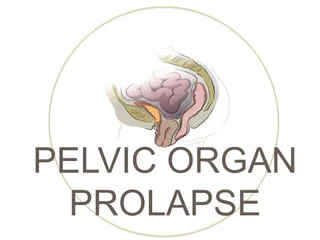
Pelvic Organ Prolapse Surgery In Nagpur | Dr.Ankita Malewar's Women Care Clinic
What is Pelvic Organ Prolapse ?
Pelvic Organ Prolapse Surgery In Nagpur – Pelvic Organ Prolapse Surgery in Nagpur is an advanced gynecological treatment designed to correct the downward displacement of pelvic organs such as the uterus, bladder, or rectum due to weakened pelvic floor muscles. This condition mainly affects women after childbirth, menopause, or repeated strain on pelvic muscles. In modern women’s healthcare, minimally invasive and highly effective surgical techniques available at Dr. Ankita Malewar’s Women Care Clinic, Nagpur, help women restore comfort, bladder control, and normal pelvic function.
With expert gynecologists and urogynecology care at Dr. Ankita Malewar’s Women Care Clinic, the treatment focuses on improving quality of life, reducing discomfort, and preventing recurrence.The goal of surgery at Dr. Ankita Malewar’s Women Care Clinic, Nagpur, is not only anatomical correction but also restoring confidence, daily comfort, and long-term pelvic support.
Understanding Pelvic Organ Prolapse Surgery In Nagpur By Dr.Ankita Malewar
Different surgical methods treat pelvic organ prolapse. The doctor selects the procedure based on the type of prolapse, severity, and patient condition. The main goal is to restore normal pelvic support and improve daily comfort. At Dr. Ankita Malewar’s Women Care Clinic, Nagpur, specialists evaluate each patient carefully before they decide the treatment plan.
At Dr. Ankita Malewar’s Women Care Clinic, doctors perform vaginal repair, uterine prolapse correction, laparoscopic surgery, and mesh repair. Each procedure targets a specific type of prolapse. Doctors always choose treatment based on individual medical needs.
Common surgical methods include:
- Vaginal repair surgery: Doctors strengthen weak vaginal walls and restore support
- Uterine prolapse correction: Doctors reposition the uterus or remove it in severe cases
- Laparoscopic surgery: Doctors use small cuts to ensure faster healing and less pain
- Mesh repair surgery: Doctors add support in complex or recurrent cases
At Dr. Ankita Malewar’s Women Care Clinic in Nagpur, doctors prefer minimally invasive techniques whenever possible. These techniques reduce pain and help patients recover faster. Patients return to normal activities sooner with fewer complications.
The medical team at Dr. Ankita Malewar’s Women Care Clinic, Nagpur selects the final surgery after detailed consultation. This approach ensures safe treatment and better long-term results for every patient.
Common Causes of Pelvic Organ Prolapse Surgery In Nagpur
Pelvic organ prolapse develops when pelvic support structures gradually weaken. These structures normally hold the uterus, bladder, and rectum in their correct position. When these muscles and connective tissues lose strength, pelvic organs start to descend. This causes discomfort and affects normal body functions.
At Dr. Ankita Malewar’s Women Care Clinic, Nagpur, doctors regularly evaluate patients to find the exact causes and risk factors. This helps them create an accurate and effective treatment plan for each patient.
In clinical practice at Dr. Ankita Malewar’s Women Care Clinic, doctors observe that multiple causes often act together over time. These causes do not usually appear suddenly. Early identification helps prevent worsening of symptoms.
Common causes of pelvic organ prolapse include:
- Vaginal childbirth: Multiple or difficult deliveries strain pelvic muscles
- Menopause-related changes: Lower estrogen levels weaken tissues
- Obesity: Extra body weight increases pressure on pelvic organs
- Chronic strain: Long-term constipation or repeated heavy lifting
- Aging: Natural weakening of muscles and connective tissues
- Genetic factors: Some women inherit weaker pelvic support structures
At Dr. Ankita Malewar’s Women Care Clinic in Nagpur, doctors perform detailed evaluations for every patient. They check how each risk factor contributes to the condition. Some women develop prolapse due to one major cause. Others develop it due to multiple combined factors. This is why doctors focus on personalized assessment.
Accurate diagnosis at Dr. Ankita Malewar’s Women Care Clinic, Nagpur helps specialists create customized treatment plans. These plans address both symptoms and root causes. This approach improves long-term results, reduces recurrence risk, and restores better pelvic health and quality of life.
Common Symptoms of Pelvic Organ Prolapse Surgery In Nagpur
Symptoms of pelvic organ prolapse vary based on severity. The condition also depends on which pelvic organ gets affected. In early stages, symptoms stay mild. Many women ignore these early signs. However, symptoms become more noticeable as the condition progresses.
At Dr. Ankita Malewar’s Women Care Clinic, Nagpur, doctors carefully evaluate every patient. They look for even subtle signs of prolapse. This helps start treatment early and prevents complications.
During clinical assessment at Dr. Ankita Malewar’s Women Care Clinic, patients report physical discomfort and functional problems. These symptoms affect daily activities, mobility, and confidence. Doctors also assess severity to decide the correct treatment plan.
Common symptoms include:
- Pelvic pressure or heaviness in the lower abdomen
- A visible or felt bulge in the vaginal area
- Urinary issues such as leakage, urgency, or frequent urination
- Difficulty in fully emptying the bladder
- Bowel problems such as constipation or discomfort
- Lower back pain or pelvic ache
- Discomfort during walking or long standing
- Pain or discomfort during sexual intercourse
At Dr. Ankita Malewar’s Women Care Clinic in Nagpur, doctors analyze each symptom with the patient’s medical history. They also perform a physical examination. This helps determine whether the condition is mild, moderate, or advanced. The diagnosis directly guides treatment planning.
Early consultation at Dr. Ankita Malewar’s Women Care Clinic, Nagpur is very important. Early diagnosis prevents progression. It also reduces symptom severity. Patients get better results with non-surgical or minimally invasive treatment options.
Diagnosis of Pelvic Organ Prolapse Surgery In Nagpur
Diagnosis of pelvic organ prolapse is carried out through a detailed pelvic examination combined with a thorough clinical evaluation. This step is essential to understand the exact position of pelvic organs and the extent of support weakness. At Dr. Ankita Malewar’s Women Care Clinic, Nagpur, specialists conduct careful and structured assessments to ensure accurate identification of the condition and its severity.
During the examination at Dr. Ankita Malewar’s Women Care Clinic, the patient may be asked to cough, strain, or stand so that the prolapse can be clearly observed under natural pressure conditions. This helps in determining how the pelvic organs behave during daily activities and physical stress.
To improve diagnostic accuracy, additional tests may also be recommended:
Common diagnostic methods include:
- Pelvic examination: Primary method to assess organ position and prolapse stage
- Ultrasound imaging: Helps evaluate internal pelvic structures in detail
- MRI scan (if required): Provides clearer view in complex or advanced cases
- Urodynamic studies: Performed when urinary symptoms like leakage or retention are present
- Bladder function tests: To assess how well the urinary system is working
At Dr. Ankita Malewar’s Women Care Clinic in Nagpur, each diagnostic step is carefully selected based on the patient’s symptoms and clinical findings. This ensures that no detail is missed and the condition is accurately staged.
Precise diagnosis at Dr. Ankita Malewar’s Women Care Clinic, Nagpur plays a crucial role in creating a personalized treatment plan. It helps doctors decide whether conservative management, pelvic floor therapy, or surgical correction is most suitable, ensuring safe, effective, and long-term results for each patient.
Treatment Options for Pelvic Organ Prolapse Surgery In Nagpur
Treatment for pelvic organ prolapse depends on the severity of the condition, the patient’s symptoms, age, overall health, and lifestyle needs. The main goal is to relieve symptoms, restore normal pelvic support, and improve quality of life. At Dr. Ankita Malewar’s Women Care Clinic, Nagpur, treatment is planned after a detailed evaluation so that each patient receives a personalized and effective care approach.
In mild cases, non-surgical management is often recommended first. These methods focus on strengthening pelvic muscles and reducing pressure on the pelvic organs. At Dr. Ankita Malewar’s Women Care Clinic, doctors guide patients through structured lifestyle modifications and exercises that can help slow progression and improve early symptoms.
Non-surgical treatment options include:
- Pelvic floor muscle exercises (Kegel exercises) to strengthen support muscles
- Weight management to reduce pelvic pressure
- Avoiding heavy lifting and chronic straining
- Treatment of constipation to prevent added strain
- Hormonal support therapy in selected cases (especially post-menopausal women)
In addition, at Dr. Ankita Malewar’s Women Care Clinic, Nagpur, pessary devices may be used. A pessary is a soft, removable device placed in the vagina to support pelvic organs and reduce symptoms. It is especially helpful for women who are not ready for surgery or want temporary relief.
For moderate to severe cases where symptoms significantly affect daily life, surgical treatment may be recommended. At Dr. Ankita Malewar’s Women Care Clinic in Nagpur, advanced surgical techniques are used to repair and restore pelvic support structures. These procedures are designed to be safe, minimally invasive whenever possible, and focused on long-term correction.
Types of Pelvic Organ Prolapse Surgery Treated At Dr.Ankita Malewar's Women Care Clinic
Different surgical methods are available for treating pelvic organ prolapse, and the selection of procedure depends on the type of prolapse, its severity, the patient’s age, and overall health condition. The primary goal is to restore normal pelvic anatomy, improve function, and provide long-term relief from symptoms. At Dr. Ankita Malewar’s Women Care Clinic, Nagpur, each patient is thoroughly evaluated so that the most suitable and safe surgical option can be chosen.
At Dr. Ankita Malewar’s Women Care Clinic, commonly performed procedures include vaginal repair surgery, uterine prolapse correction, laparoscopic prolapse surgery, and mesh-based repair techniques. Each of these methods targets different types and stages of prolapse, ensuring that treatment is tailored according to individual needs rather than a one-size-fits-all approach.
Common surgical methods include:
- Vaginal repair surgery: Strengthens weakened vaginal walls and restores organ position
- Uterine prolapse correction: Repositions or supports the uterus; in severe cases, hysterectomy may be considered
- Laparoscopic surgery: Minimally invasive keyhole procedure with faster recovery and less pain
- Mesh repair surgery: Provides additional support in complex or recurrent prolapse cases
At Dr. Ankita Malewar’s Women Care Clinic in Nagpur, advanced minimally invasive surgical techniques are preferred whenever suitable, as they help reduce hospital stay, minimize post-operative discomfort, and allow faster return to daily activities. The final choice of surgery at Dr. Ankita Malewar’s Women Care Clinic, Nagpur is made after careful consultation, ensuring that each patient receives safe, effective, and long-term corrective treatment based on her specific medical condition.
Frequently Ask Questions (FAQ)
Q1: What is pelvic organ prolapse surgery?
Pelvic organ prolapse surgery is a gynecological procedure used to repair weakened pelvic floor muscles and restore the normal position of organs like the uterus, bladder, or rectum.
Q2: Who needs pelvic organ prolapse surgery?
Women with moderate to severe prolapse symptoms such as vaginal bulge, urinary problems, pelvic pressure, or difficulty in daily activities may need surgery when conservative treatments are not effective.
Q3: Is pelvic organ prolapse surgery painful?
The surgery is performed under anesthesia, so there is no pain during the procedure. Mild discomfort after surgery is normal and is managed with medications.
Q4: How long does it take to recover from prolapse surgery?
Most women recover within 4 to 8 weeks depending on the type of surgery and individual healing capacity.
Q5: Can pelvic organ prolapse come back after surgery?
In some cases, recurrence is possible, but following post-surgery care instructions and pelvic exercises can significantly reduce the risk.
Book Consultation
If you are experiencing symptoms like vaginal bulge, pelvic heaviness, urine leakage, or discomfort in daily activities, it is important to consult a specialist without delay. Early evaluation helps in accurate diagnosis and prevents the condition from getting worse.
At Dr. Ankita Malewar’s Women Care Clinic, Nagpur, patients receive personalized gynecological consultation, advanced diagnosis, and expert guidance for pelvic organ prolapse and other women’s health concerns.
Follow Us For Wellness Tips
- Additionally
- Again
- Also
- And
- As a result
- At first
- At last
- At the same time
- Because
- Before
- Besides
- Certainly
- Comparatively
- Consequently
- Conversely
- Despite this
- During
- Earlier
- Equally
- Especially
- Even so
- Eventually
- Finally
- First
- Firstly
- For example
- For instance
- Furthermore
- Hence
- However
- In addition
- In conclusion
- In contrast
- In fact
- In other words
- In short
- In the meantime
- In the same way
- Indeed
- Instead
- Last
- Lastly
- Likewise
- Meanwhile
- Moreover
- Namely
- Nevertheless
- Next
- Nonetheless
- Now
- On the contrary
- On the other hand
- Overall
- Particularly
- Previously
- Rather
- Similarly
- Since
- So
- Specifically
- Still
- Subsequently
- Such as
- Then
- Therefore
- Thus
- To begin with
- To clarify
- To conclude
- To demonstrate
- To emphasize
- To explain
- To illustrate
- To put it differently
- To summarize
- Ultimately
- Undoubtedly
- Unlike
- Until
- Usually
- Whereas
- While
- Yet