
Vaginal Prolapse Treatment in Nagpur – Advanced & Safe Women’s Care
What is Vaginal Prolapse ?
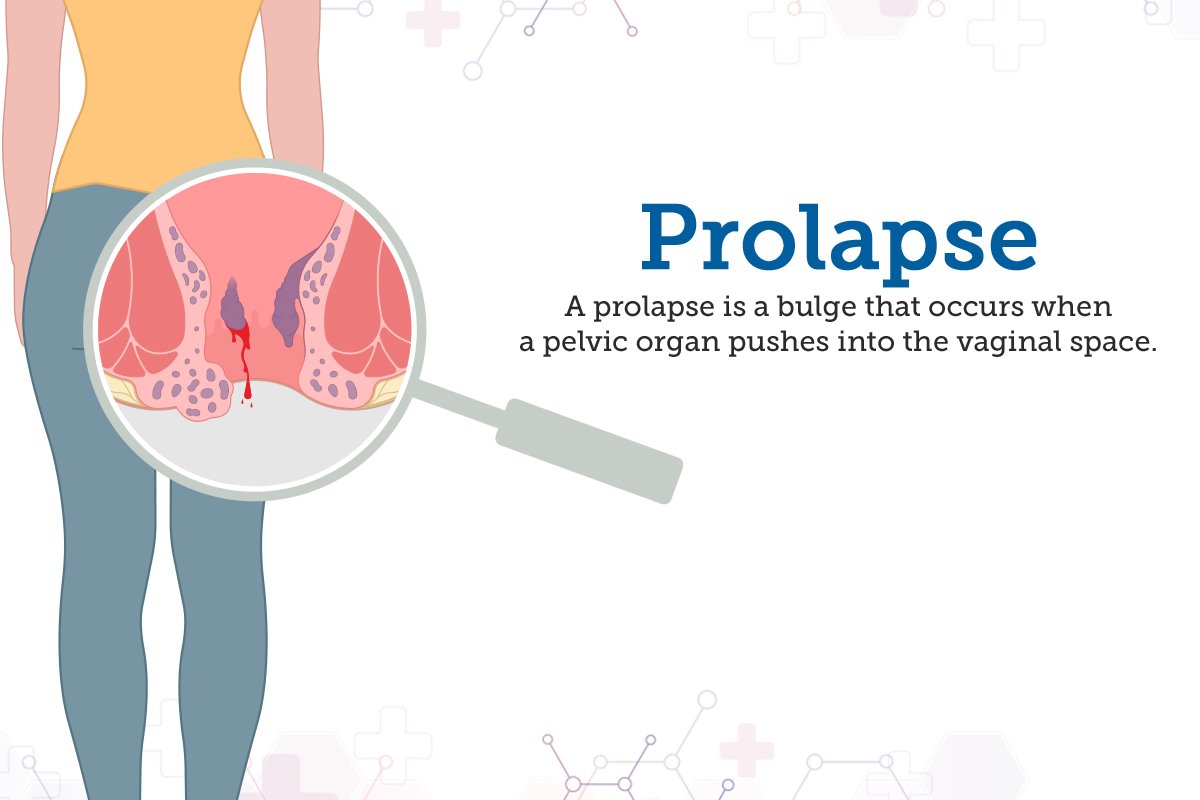
Vaginal Prolapse Treatment In Nagpur – Vaginal prolapse is a medical condition in which pelvic support structures weaken and fail to hold internal organs in their normal position. As a result, organs such as the uterus, bladder, or rectum begin to move downward and press into the vaginal canal. This condition develops gradually and may start with mild discomfort before progressing into more noticeable symptoms. Many women ignore early signs, which allows the condition to worsen over time.
At Dr. Ankita Malewar’s Women Care Clinic, Nagpur, doctors carefully evaluate each patient using pelvic examination and clinical assessment to determine the severity of prolapse. Early diagnosis plays a key role in preventing complications and avoiding advanced surgical intervention. The clinic focuses on educating patients about the condition, helping them understand how pelvic support weakens, and guiding them toward timely and effective treatment options for long-term relief and improved pelvic health.
Understanding Vaginal Prolapse: A Complete Guide for Women
Vaginal prolapse treatment in Nagpur helps women manage a condition where pelvic organs or vaginal walls lose their natural support and gradually descend. This happens when pelvic floor muscles and connective tissues become weak due to childbirth, menopause, aging, obesity, or chronic physical strain. The condition affects bladder control, bowel function, mobility, and daily comfort. Many women also experience vaginal bulge, pelvic heaviness, and pressure symptoms that worsen over time if left untreated. At Dr. Ankita Malewar’s Women Care Clinic, Nagpur, doctors provide advanced evaluation and personalized treatment plans for vaginal prolapse. The clinic focuses on accurate diagnosis, modern gynecological care, and both non-surgical and surgical treatment options. The goal is to restore pelvic strength, reduce symptoms, and improve quality of life using safe and evidence-based medical approaches tailored to each patient’s condition and severity level.
Causes of Vaginal Prolapse Treatment in Nagpur
Vaginal prolapse develops due to weakening of pelvic floor muscles and connective tissues that support pelvic organs. The most common cause is vaginal childbirth, especially multiple or difficult deliveries that strain pelvic structures. Aging also contributes to natural weakening of muscles, while menopause reduces estrogen levels, making tissues less elastic and strong. Other contributing factors include obesity, chronic constipation, long-term coughing, and repeated heavy lifting. In some cases, genetic predisposition also increases risk. At Dr. Ankita Malewar’s Women Care Clinic, Nagpur, doctors carefully assess each patient to identify the exact causes contributing to their condition. Understanding these risk factors helps in designing an effective and personalized treatment plan. The clinic focuses on addressing both symptoms and underlying causes to prevent progression and recurrence. This detailed evaluation ensures better treatment outcomes and long-term pelvic health improvement for every patient.
Symptoms of Vaginal Prolapse Treatment in Nagpur
Symptoms of vaginal prolapse vary depending on severity and the organs involved. Early symptoms may feel mild, but they gradually worsen over time. Common signs include a sensation of pelvic heaviness, vaginal bulge, urinary leakage, frequent urination, and difficulty emptying the bladder completely. Some women also experience constipation, lower back pain, or discomfort during walking and daily activities. In advanced cases, the prolapsed organ may become visible outside the vaginal opening. At Dr. Ankita Malewar’s Women Care Clinic, Nagpur, doctors carefully evaluate these symptoms through clinical examination and patient history. They also assess how symptoms affect daily life, mobility, and emotional well-being. This helps determine the stage of prolapse and guide treatment planning. Early identification of symptoms allows doctors to provide non-surgical or minimally invasive treatment options before the condition progresses to severe stages requiring surgical intervention.
Diagnosis of Vaginal Prolapse Treatment in Nagpur
Doctors diagnose vaginal prolapse through a detailed pelvic examination and clinical evaluation. During the examination, they may ask the patient to stand or strain so they can assess organ movement and support strength. Imaging tests like ultrasound or MRI may also be recommended in complex cases. At Dr. Ankita Malewar’s Women Care Clinic, Nagpur, specialists perform thorough evaluations to determine the exact stage and severity of prolapse. Accurate diagnosis plays a critical role in selecting the right treatment approach. The clinic ensures that every diagnostic step focuses on precision and patient safety. Doctors also evaluate urinary and bowel function when symptoms are present. This comprehensive assessment helps in creating a personalized treatment plan that may include lifestyle modification, pelvic exercises, pessary use, or surgical correction depending on severity and patient needs.
Non-Surgical Treatment Options in Nagpur
Non-surgical treatment options help manage mild vaginal prolapse and prevent progression. These treatments focus on strengthening pelvic floor muscles and reducing strain on pelvic organs. Common methods include pelvic floor exercises, weight management, constipation control, and lifestyle changes. Doctors may also recommend pessary devices that provide internal support to the vaginal walls and reduce symptoms. At Dr. Ankita Malewar’s Women Care Clinic, Nagpur, specialists guide patients through structured non-surgical treatment plans based on their condition. These approaches help improve symptoms, slow progression, and delay or avoid surgery in early stages. Regular follow-up visits ensure that treatment remains effective. The clinic emphasizes patient education, helping women understand how daily habits impact pelvic health. Non-surgical treatment works best when started early and combined with consistent medical guidance and lifestyle modifications.
Benefits of Vaginal Prolapse Treatment
Vaginal prolapse treatment offers significant improvements in comfort, mobility, and quality of life. It reduces pelvic pressure, improves bladder control, and restores normal daily functioning. Many women experience relief from discomfort during walking, standing, or physical activity. At Dr. Ankita Malewar’s Women Care Clinic, Nagpur, treatment plans focus on both symptom relief and long-term pelvic support. Advanced surgical and non-surgical techniques ensure faster recovery and better outcomes. Treatment also improves emotional well-being by restoring confidence and reducing discomfort-related stress. The clinic emphasizes personalized care, ensuring each patient receives the most suitable treatment approach. Overall, vaginal prolapse treatment helps women regain control over their health and return to normal lifestyle activities with improved comfort and stability.
Why Choose Dr. Ankita Malewar’s Women Care Clinic, Nagpur?
At Dr. Ankita Malewar’s Women Care Clinic, Nagpur, patients receive expert gynecological care, accurate diagnosis, and personalized treatment plans. The clinic focuses on safety, comfort, and long-term results. Doctors use modern diagnostic tools and advanced treatment techniques to ensure better outcomes. Each patient receives individualized care based on their condition and medical needs. The clinic emphasizes patient education, early diagnosis, and effective treatment strategies. This approach ensures improved
FAQ – Vaginal Prolapse Treatment in Nagpur
Q1: What is vaginal prolapse?
Vaginal prolapse is a condition where pelvic organs drop due to weak pelvic floor muscles. This causes pressure, bulging, and discomfort. At Dr. Ankita Malewar’s Women Care Clinic, Nagpur, doctors diagnose the condition through a detailed pelvic examination.
Q2: What are the main symptoms of vaginal prolapse?
Common symptoms include vaginal bulge, pelvic heaviness, urinary leakage, frequent urination, constipation, and lower back pain. At Dr. Ankita Malewar’s Women Care Clinic, Nagpur, doctors assess symptom severity to decide the right treatment.
Q3: What causes vaginal prolapse?
Vaginal prolapse develops due to childbirth, aging, menopause, obesity, chronic constipation, or heavy lifting. At Dr. Ankita Malewar’s Women Care Clinic, doctors identify the exact cause for personalized treatment planning.
Q4: Can vaginal prolapse be treated without surgery?
Yes, mild cases can improve with pelvic floor exercises, lifestyle changes, and pessary devices. At Dr. Ankita Malewar’s Women Care Clinic, Nagpur, doctors recommend non-surgical treatment when possible.
Q5: When is surgery needed for vaginal prolapse?
Doctors recommend surgery for moderate to severe prolapse when symptoms affect daily life. At Dr. Ankita Malewar’s Women Care Clinic, specialists select the best surgical option based on patient condition.
Book Consultation
If you are experiencing symptoms like vaginal bulge, pelvic heaviness, urinary leakage, or discomfort in daily activities, you should consult a specialist at the right time. Early evaluation helps prevent progression and reduces the need for complex treatment later. At Dr. Ankita Malewar’s Women Care Clinic, Nagpur, doctors provide detailed diagnosis and personalized treatment plans for vaginal prolapse and other gynecological conditions.
The clinic focuses on accurate assessment, patient comfort, and safe treatment options. Whether you need non-surgical management or advanced surgical care, the consultation helps identify the best approach for your condition.