
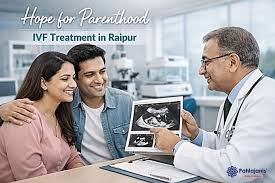
Female Infertility Treatment in Raipur – Dr. Ankita Malewar
Female infertility affects many women during their reproductive years and can create emotional, physical, and psychological challenges for couples trying to conceive. When pregnancy does not occur despite regular unprotected intercourse, an underlying fertility issue may require medical attention. Fortunately, Female Infertility Treatment in Raipur advancements in reproductive medicine allow fertility specialists to diagnose and treat many causes of female infertility successfully. Early evaluation and timely treatment often improve the chances of conception and help women achieve successful pregnancies.
Several factors can contribute to female infertility, including ovulation disorders, hormonal imbalances, polycystic ovary syndrome (PCOS), endometriosis, blocked fallopian tubes, uterine abnormalities, diminished ovarian reserve, and age-related fertility decline. Because every woman’s reproductive health is unique, fertility specialists perform detailed evaluations to identify the specific cause and create personalized treatment plans.
Dr. Ankita Malewar provides comprehensive Female Infertility Treatment in Raipur through advanced fertility evaluation, accurate diagnosis, and individualized reproductive care. She focuses on identifying the root cause of infertility and developing treatment strategies that maximize fertility potential and improve pregnancy outcomes.
Understanding Female Infertility at Female Infertility Treatment in Raipur
Female infertility develops when conditions affecting the reproductive system interfere with conception or prevent a successful pregnancy. For pregnancy to occur naturally, the ovaries must release a healthy egg, the fallopian tubes must allow the egg and sperm to meet, fertilization must occur successfully, and the embryo must implant within a healthy uterine lining. Any disruption in this process can reduce fertility and make conception more challenging.
Ovulation disorders represent one of the most common causes of female infertility. Women who do not ovulate regularly may experience irregular menstrual cycles and reduced chances of conception. Hormonal imbalances frequently contribute to ovulation problems and often occur in women with PCOS. Endometriosis can also affect fertility by causing inflammation, scar tissue formation, and pelvic adhesions that interfere with normal reproductive function.
Blocked or damaged fallopian tubes may prevent sperm from reaching the egg or stop the fertilized embryo from reaching the uterus. Uterine abnormalities, including fibroids, polyps, congenital abnormalities, and adenomyosis, may reduce implantation success and affect pregnancy outcomes. Additionally, age-related decline in ovarian reserve significantly influences fertility because both egg quantity and egg quality gradually decrease over time.
Common Causes of Female Infertility
Several conditions can interfere with female fertility. Ovulation disorders remain one of the most common causes and often occur due to hormonal imbalances or conditions such as PCOS. Women who do not ovulate regularly may find it difficult to achieve pregnancy naturally.
Blocked fallopian tubes can prevent the egg and sperm from meeting, while endometriosis may affect reproductive organs and reduce fertility. Uterine fibroids, polyps, congenital uterine abnormalities, and scar tissue can also interfere with implantation and pregnancy development.
Age-related decline in egg quality and ovarian reserve represents another significant factor affecting fertility. As women grow older, both egg quantity and quality gradually decrease, making conception more challenging.
Symptoms and When to Seek Fertility Evaluation
The inability to conceive remains the primary symptom of female infertility. However, many women experience additional symptoms that indicate underlying reproductive problems. Recognizing these symptoms and seeking timely medical evaluation can significantly improve fertility outcomes and allow earlier intervention.
Irregular menstrual cycles often represent one of the earliest signs of reproductive dysfunction. Women who experience infrequent periods, prolonged cycles, missed periods, or unpredictable menstrual patterns may have ovulation disorders that affect fertility. Some women stop ovulating altogether, while others ovulate inconsistently, making conception more difficult. Heavy menstrual bleeding, extremely light periods, or severe menstrual pain may also indicate reproductive conditions that require medical attention.
Women with PCOS frequently experience symptoms such as weight gain, acne, excessive facial hair growth, scalp hair thinning, and irregular menstruation. Endometriosis often causes chronic pelvic pain, painful period, pain during intercourse, and discomfort during bowel movements. Fibroids and adenomyosis may cause heavy bleeding, pelvic pressure, and reproductive complications. Hormonal imbalances can also lead to mood changes, fatigue, sleep disturbances, and alterations in libido.
Comprehensive Diagnosis of Female Infertility at Female Infertility Treatment in Raipur
Accurate diagnosis serves as the foundation of effective fertility treatment. Fertility specialists begin the evaluation process by reviewing medical history, menstrual patterns, reproductive history, previous pregnancies, lifestyle factors, and family history. This detailed assessment helps identify potential causes of infertility and guides further diagnostic testing.
Hormonal testing plays an important role in fertility evaluation. Specialists assess reproductive hormones that regulate ovulation and ovarian function. These tests help identify conditions such as PCOS, thyroid disorders, diminished ovarian reserve, and other endocrine abnormalities that affect fertility. Ovarian reserve testing provides valuable information about egg quantity and reproductive potential.
Ultrasound scanning allows fertility specialists to evaluate the uterus, ovaries, and pelvic structures. Through ultrasound imaging, specialists can identify ovarian cysts, polycystic ovaries, fibroids, adenomyosis, endometrial abnormalities, and other structural conditions. Ultrasound monitoring also helps assess follicular development and ovulation patterns during fertility treatment.
Fallopian tube evaluation represents another essential componentof fertility diagnosis. Specialists use specialized imaging procedures to determine whether the fallopian tubes remain open and functional. Blocked tubes can significantly reduce fertility and may require advanced treatment approaches.
Ovulation Disorders, PCOS, and Their Treatment
Ovulation disorders account for a large proportion of female infertility cases. Successful conception requires the release of a mature egg during each menstrual cycle. When ovulation becomes irregular or stops completely, fertility declines significantly. Therefore, restoring normal ovulation often becomes one of the primary goals of fertility treatment.
Polycystic Ovary Syndrome remains one of the most common causes of ovulation-related infertility. Women with PCOS frequently experience hormonal imbalances that interfere with follicular development and egg release. As a result, they may experience irregular menstrual cycles, absent ovulation, weight gain, acne, and other hormonal symptoms. Without treatment, PCOS can make conception more difficult and increase the time required to achieve pregnancy.
Fertility specialists treat ovulation disorders using individualized approaches based on the patient’s specific diagnosis. Lifestyle modifications often form the foundation of treatment. Weight management, regular physical activity, balanced nutrition, and stress reduction can significantly improve ovulatory function in many women.
Specialists may also prescribe fertility medications that stimulate follicular growth and encourage ovulation. During treatment, ultrasound monitoring helps track follicular development and determine the optimal timing for conception. Hormonal therapy may further support reproductive function and improve treatment effectiveness.
Endometriosis, Uterine Conditions, and Their Impact on Fertility
Endometriosis and uterine abnormalities often play a significant role in female infertility. These conditions can affect multiple aspects of reproduction, including ovulation, fertilization, implantation, and pregnancy maintenance. Therefore, early diagnosis and effective management are essential for improving fertility outcomes.
Endometriosis develops when tissue similar to the uterine lining grows outside the uterus. This condition can affect the ovaries, fallopian tubes, pelvic cavity, and surrounding reproductive structures. Endometriosis frequently causes inflammation, scar tissue formation, pelvic adhesions, and reproductive dysfunction. Women often experience painful periods, chronic pelvic pain, and difficulty conceiving.
Uterine conditions such as fibroids, polyps, adenomyosis, and congenital abnormalities can also interfere with fertility. Fibroids may distort the uterine cavity, alter blood supply, and reduce implantation success. Polyps can affect embryo implantation and increase the risk of miscarriage. Adenomyosis may cause inflammation within the uterine wall and negatively influence reproductive outcomes.
Fertility specialists use ultrasound imaging and additional diagnostic procedures to identify these conditions accurately. Treatment depends on the severity of symptoms, reproductive goals, and overall fertility status. Some patients benefit from medication, while others may require minimally invasive surgical procedures to improve reproductive function.
Why Choose Dr. Ankita Malewar for Female Infertility Treatment in Raipur?
Choosing the right fertility specialist represents one of the most important decisions in the fertility journey. Successful infertility treatment requires accurate diagnosis, personalized care, advanced technology, and continuous support throughout the treatment process.
Dr. Ankita Malewar provides comprehensive female infertility treatment in Raipur through detailed reproductive evaluation and individualized treatment planning. She carefully assesses every aspect of reproductive health and develops customized fertility strategies that address each patient’s unique challenges.
Her approach combines advanced fertility diagnostics, evidence-based reproductive medicine, and compassionate patient care. She focuses on identifying the root cause of infertility rather than simply treating symptoms. Through continuous monitoring and personalized guidance, she helps patients understand their treatment options and make informed decisions about their reproductive future.
Patients benefit from comprehensive fertility services, including ovulation monitoring, hormonal assessment, ultrasound evaluation, IUI, IVF, fertility preservation, and reproductive counseling. Her commitment to individualized care ensures that every patient receives treatment specifically tailored to their fertility needs and goals.
Frequently Ask Questions (FAQ)
What causes female infertility?
Ovulation disorders, PCOS, endometriosis, blocked fallopian tubes, uterine abnormalities, hormonal imbalances, and age-related fertility decline commonly cause female infertility.
Can PCOS cause infertility?
Yes. PCOS can disrupt ovulation and make conception difficult. Proper treatment often improves fertility outcomes.
How do fertility specialists diagnose female infertility?
Specialists use hormonal testing, ultrasound scans, ovarian reserve evaluation, ovulation monitoring, and reproductive assessments to identify fertility issues.
Can women with endometriosis become pregnant?
Yes. Many women with endometriosis achieve pregnancy through medical management and advanced fertility treatments.
What fertility treatments are available?
Treatment options include ovulation induction, fertility medications, IUI, IVF, ICSI, embryo transfer, and fertility preservation.
When should I seek fertility evaluation?
Seek evaluation after one year of trying to conceive if you are under 35, or after six months if you are over 35.
Does age affect fertility?
Yes. Fertility gradually declines with age because egg quantity and egg quality decrease over time.
Book Consultation - Female Infertility Treatment in Raipur
If you have been trying to conceive without success, professional fertility evaluation can help identify the underlying cause and determine the most effective treatment strategy. Early diagnosis often improves treatment outcomes and provides access to a broader range of fertility solutions.
Dr. Ankita Malewar offers comprehensive female infertility treatment, fertility assessment, ovulation monitoring, ultrasound evaluation, hormonal testing, IUI, IVF, and advanced reproductive care in Raipur.
Book your appointment today and take the first step toward understanding your fertility health and achieving your dream of parenthood.
At Dr. Ankita Malewar’s Women Care Clinic, Nagpur, patients receive personalized gynecological consultation, advanced diagnosis, and expert guidance for other women’s health concerns.
Follow Us For Wellness Tips
- Additionally
- Again
- Also
- And
- As a result
- At first
- At last
- At the same time
- Because
- Before
- Besides
- Certainly
- Comparatively
- Consequently
- Conversely
- Despite this
- During
- Earlier
- Equally
- Especially
- Even so
- Eventually
- Finally
- First
- Firstly
- For example
- For instance
- Furthermore
- Hence
- However
- In addition
- In conclusion
- In contrast
- In fact
- In other words
- In short
- In the meantime
- In the same way
- Indeed
- Instead
- Last
- Lastly
- Likewise
- Meanwhile
- Moreover
- Namely
- Nevertheless
- Next
- Nonetheless
- Now
- On the contrary
- On the other hand
- Overall
- Particularly
- Previously
- Rather
- Similarly
- Since
- So
- Specifically
- Still
- Subsequently
- Such as
- Then
- Therefore
- Thus
- To begin with
- To clarify
- To conclude
- To demonstrate
- To emphasize
- To explain
- To illustrate
- To put it differently
- To summarize
- Ultimately
- Undoubtedly
- Unlike
- Until
- Usually
- Whereas
- While
- Yet