
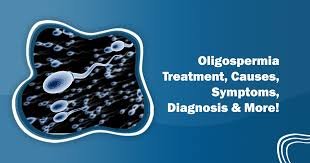
Oligospermia Treatment in Raipur – Dr. Ankita Malewar
Dr. Ankita Malewar provides comprehensive Oligospermia Treatment in Raipur through detailed fertility evaluation, advanced diagnostic testing, and individualized treatment planning. She focuses on identifying the root cause of low sperm count and creating effective treatment strategies that help couples move closer to achieving successful conception and parenthood.
Oligospermia, commonly known as low sperm count, is one of the leading causes of male infertility. A healthy sperm count plays a crucial role in natural conception because sperm must travel through the female reproductive tract and fertilize the egg successfully. When the number of sperm in semen falls below normal levels, the chances of fertilization decrease significantly. However, modern fertility treatments and advanced reproductive medicine offer effective solutions that help many men overcome fertility challenges associated with low sperm count.
Several factors can contribute to oligospermia, including hormonal imbalances, varicocele, genetic conditions, infections, lifestyle habits, environmental exposure, obesity, smoking, alcohol consumption, stress, and nutritional deficiencies. In some cases, multiple factors work together and affect sperm production, sperm quality, and overall reproductive health. Therefore, fertility specialists focus on identifying the exact cause before recommending treatment.
Understanding Oligospermia and Its Causes at Oligospermia Treatment In Raipur
Oligospermia occurs when semen contains fewer sperm than the normal reference range required for optimal fertility. Although men with low sperm count can still father children naturally, reduced sperm concentration lowers the probability of successful fertilization. The severity of oligospermia can vary from mild to severe, and treatment recommendations often depend on the degree of sperm reduction and associated fertility factors.
Hormonal imbalances frequently contribute to low sperm production. The hormones that regulate testicular function play a vital role in sperm development, and disruptions in these hormonal pathways can significantly reduce sperm count. Additionally, conditions such as varicocele, which involves enlarged veins around the testicles, may increase scrotal temperature and negatively affect sperm production.
Reproductive tract infections can also damage sperm-producing tissues and interfere with normal reproductive function. Furthermore, certain medications, previous surgeries, chronic illnesses, and genetic abnormalities may affect sperm development. Lifestyle habits such as smoking, excessive alcohol intake, poor nutrition, obesity, inadequate sleep, and chronic stress can further compromise sperm quality and quantity.
Symptoms and When to Seek Medical Evaluation
Many men with oligospermia experience no obvious symptoms other than difficulty achieving pregnancy with their partner. Because low sperm count often develops silently, couples frequently discover the condition only after fertility testing. Nevertheless, certain symptoms may indicate underlying reproductive issues that warrant medical attention.
Some men experience reduced sexual desire due to hormonal imbalances affecting testosterone levels. Others may notice erectile dysfunction, difficulty maintaining erections, or problems with ejaculation. Testicular discomfort, swelling, or a feeling of heaviness in the scrotum may suggest conditions such as varicocele that contribute to low sperm count.
Hormonal disturbances can also cause changes in body hair growth, muscle mass, energy levels, and overall physical health. Men with reproductive tract infections may experience pain, urinary symptoms, or genital discomfort. However, many men remain completely asymptomatic despite having significantly reduced sperm counts.
Couples should consider fertility evaluation if pregnancy has not occurred after one year of regular unprotected intercourse. Men with known reproductive disorders, previous testicular injuries, a history of undescended testicles, or prior fertility concerns should seek evaluation even earlier. Timely diagnosis allows specialists to identify fertility issues before they progress further and provides access to more effective treatment options.
Comprehensive Diagnosis of Oligospermia at Oligospermia Treatment In Raipur
Successful treatment begins with accurate diagnosis. Fertility specialists perform detailed assessments to identify factors affecting sperm production and reproductive health. The diagnostic process starts with a thorough review of medical history, lifestyle habits, medications, previous illnesses, surgical history, and fertility concerns.
Semen analysis serves as the most important test for diagnosing oligospermia. During this evaluation, laboratory specialists measure sperm concentration, motility, morphology, semen volume, and overall sperm health. Because sperm parameters can fluctuate naturally, specialists may recommend multiple semen analyses to obtain accurate results.
Hormonal testing provides additional insight into reproductive function. Specialists evaluate hormones responsible for regulating sperm production and testicular activity. Abnormal hormone levels often reveal underlying endocrine disorders that contribute to infertility.
Ultrasound examination helps identify structural abnormalities affecting the reproductive organs. Specialists frequently use scrotal ultrasound to detect varicocele, testicular abnormalities, or other conditions that impair sperm production. In selected cases, genetic testing and infection screening may provide further information regarding fertility status.
Lifestyle Changes That Improve Sperm Count
Lifestyle modification plays a significant role in managing oligospermia and improving overall reproductive health. Many lifestyle factors directly influence sperm production, sperm quality, and hormonal balance. Therefore, fertility specialists often recommend lifestyle improvements as part of a comprehensive treatment plan.
Maintaining a healthy body weight supports hormonal function and promotes optimal sperm production. Excess body fat can disrupt hormone levels and negatively affect fertility. Regular physical activity improves blood circulation, supports metabolic health, and contributes to better reproductive function.
Nutrition also plays an essential role in male fertility. A balanced diet rich in antioxidants, vitamins, minerals, fruits, vegetables, whole grains, and lean proteins supports sperm development and protects reproductive cells from oxidative damage. Proper hydration further supports overall reproductive health.
Men should avoid smoking because tobacco significantly reduces sperm count, sperm motility, and sperm quality. Limiting alcohol consumption and avoiding recreational drugs can also improve fertility outcomes. Additionally, reducing stress through relaxation techniques, adequate sleep, and healthy coping strategies helps maintain hormonal balance and reproductive health.
Medical Treatment for Oligospermia at Oligospermia Treatment In Raipur
Medical treatment depends on the specific cause of low sperm count. Fertility specialists develop individualized treatment plans that address hormonal, infectious, inflammatory, or metabolic factors affecting sperm production.
When hormonal imbalances contribute to oligospermia, specialists may prescribe medications that restore hormonal equilibrium and stimulate sperm production. Hormonal therapy often improves reproductive function by supporting the natural processes involved in sperm development.
Infections affecting the reproductive system require prompt treatment to prevent further damage to sperm-producing tissues. Specialists may prescribe appropriate medications that eliminate infection and reduce inflammation. Additionally, antioxidant therapy can help reduce oxidative stress and improve sperm quality.
Nutritional supplementation may also support reproductive health. Vitamins, minerals, and fertility-enhancing nutrients often play an important role in sperm production and cellular function. Specialists monitor treatment response carefully and adjust therapy according to individual progress.
Regular follow-up allows fertility specialists to evaluate improvements in sperm count and modify treatment strategies when necessary. Through personalized medical management, many men experience significant improvements in reproductive potential and fertility outcomes.
Surgical Treatment and Advanced Fertility Solutions
Certain causes of oligospermia require surgical intervention to improve fertility. Varicocele repair remains one of the most common surgical procedures for men with low sperm count. By correcting enlarged veins surrounding the testicles, surgery can improve blood flow, reduce scrotal temperature, and enhance sperm production.
When structural abnormalities block sperm transport, specialists may perform surgical procedures that restore normal reproductive function. In cases where natural conception remains difficult despite treatment, assisted reproductive technologies provide additional opportunities for parenthood.
Intrauterine Insemination (IUI) may benefit couples experiencing mild male factor infertility. During this procedure, laboratory specialists prepare and concentrate healthy sperm before placing them directly into the uterus during ovulation. This approach increases the likelihood of fertilization.
For severe oligospermia, specialists may recommend In Vitro Fertilization (IVF) combined with Intracytoplasmic Sperm Injection (ICSI). During ICSI, embryologists inject a single healthy sperm directly into an egg, allowing fertilization even when sperm count remains extremely low.
These advanced fertility treatments provide hope for couples facing significant reproductive challenges and often achieve successful pregnancy outcomes when conventional treatments prove insufficient.
Why Choose Dr. Ankita Malewar for Oligospermia Treatment in Raipur?
Dr. Ankita Malewar provides comprehensive fertility evaluation, advanced male infertility assessment, and personalized treatment for oligospermia. She carefully investigates the underlying causes of low sperm count and develops individualized treatment plans that address specific reproductive concerns.
Her approach combines advanced diagnostic testing, evidence-based fertility medicine, and patient-focused care. She emphasizes accurate diagnosis, continuous monitoring, and tailored treatment strategies designed to improve reproductive outcomes.
Patients benefit from comprehensive fertility services, including semen analysis, hormonal evaluation, fertility counseling, lifestyle guidance, advanced reproductive treatments, and ongoing support throughout the treatment process. Through personalized care and expert fertility management, she helps men improve fertility potential and achieve their reproductive goals.
Frequently Ask Questions (FAQ) -Oligospermia Treatment In Raipur
What is oligospermia?
Oligospermia refers to a condition in which semen contains fewer sperm than normal, reducing the chances of natural conception.
Can low sperm count cause infertility?
Yes. Low sperm count can significantly reduce the likelihood of fertilization and contribute to male infertility.
Can oligospermia be treated?
Yes. Fertility specialists often improve sperm count through lifestyle changes, medications, hormonal therapy, surgery, and advanced fertility treatments.
What is the best test for diagnosing oligospermia?
Semen analysis remains the primary and most important test for diagnosing low sperm count.
Can lifestyle changes improve sperm count?
Yes. Healthy eating, regular exercise, stress management, smoking cessation, and proper sleep can improve sperm production and quality.
Is IVF necessary for all men with oligospermia?
No. Many men achieve pregnancy through medical treatment or IUI. Specialists recommend IVF or ICSI only when necessary.
When should I consult a fertility specialist?
You should seek fertility evaluation if pregnancy has not occurred after one year of regular unprotected intercourse or sooner if known fertility concerns exist.
Book an Appointment - Oligospermia Treatment In Raipur
If you have been trying to conceive without success or have concerns about low sperm count, professional fertility evaluation can provide valuable answers and effective treatment solutions. Early diagnosis often improves treatment outcomes and increases the chances of successful conception.
Dr. Ankita Malewar offers comprehensive male fertility assessment, semen analysis, hormonal evaluation, oligospermia treatment, and advanced reproductive care in Raipur. She develops personalized treatment plans designed to improve sperm count, enhance fertility potential, and support successful parenthood.
Book your appointment today and take the first step toward understanding your reproductive health and improving your chances of achieving pregnancy.
At Dr. Ankita Malewar’s Women Care Clinic, Nagpur, patients receive personalized gynecological consultation, advanced diagnosis, and expert guidance for pelvic organ prolapse and other women’s health concerns.
Follow Us For Wellness Tips
- Additionally
- Again
- Also
- And
- As a result
- At first
- At last
- At the same time
- Because
- Before
- Besides
- Certainly
- Comparatively
- Consequently
- Conversely
- Despite this
- During
- Earlier
- Equally
- Especially
- Even so
- Eventually
- Finally
- First
- Firstly
- For example
- For instance
- Furthermore
- Hence
- However
- In addition
- In conclusion
- In contrast
- In fact
- In other words
- In short
- In the meantime
- In the same way
- Indeed
- Instead
- Last
- Lastly
- Likewise
- Meanwhile
- Moreover
- Namely
- Nevertheless
- Next
- Nonetheless
- Now
- On the contrary
- On the other hand
- Overall
- Particularly
- Previously
- Rather
- Similarly
- Since
- So
- Specifically
- Still
- Subsequently
- Such as
- Then
- Therefore
- Thus
- To begin with
- To clarify
- To conclude
- To demonstrate
- To emphasize
- To explain
- To illustrate
- To put it differently
- To summarize
- Ultimately
- Undoubtedly
- Unlike
- Until
- Usually
- Whereas
- While
- Yet