
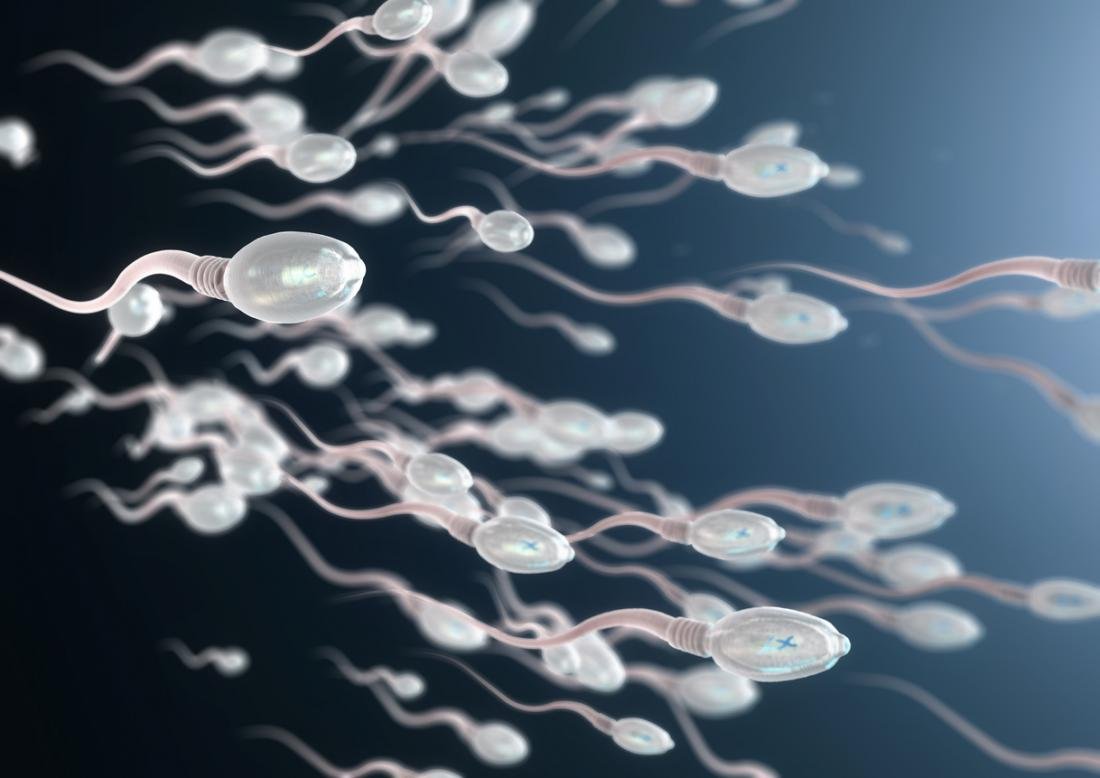
Sperm Motility Treatment Medicine In Nagpur | Dr. Ankita Malewar
The Sperm Motility Treatment Medicine In Nagpur is increasingly searched by couples facing male infertility and delayed conception challenges. Sperm motility refers to the movement and swimming ability of sperm cells. Healthy sperm motility is extremely important because sperm must travel through the female reproductive tract to fertilize the egg successfully. Poor sperm motility, also known as asthenozoospermia, may significantly reduce natural pregnancy chances and affect overall reproductive health. Male infertility is becoming increasingly common because of stress, unhealthy lifestyle habits, nutritional deficiencies, hormonal imbalance, smoking, alcohol consumption, obesity, infections, and environmental factors. Many men remain unaware of fertility problems until couples experience repeated unsuccessful pregnancy attempts. Proper fertility evaluation and semen analysis help identify sperm motility disorders early so treatment can begin at the right time. Modern fertility medicine now provides several treatment options for improving sperm movement and semen quality. These include antioxidant therapy, hormonal medications, nutritional.
Understanding Sperm Motility And Male Fertility
Sperm motility refers to the ability of sperm cells to move efficiently towards the egg for fertilization. Healthy sperm movement is essential for natural conception because sperm must travel through the female reproductive tract to reach the egg. Immobile or poorly moving sperm may have difficulty completing this journey, potentially reducing the chances of successful fertilization.
Low sperm motility is medically known as asthenozoospermia. It can affect male fertility and may be identified through a semen analysis. This test evaluates sperm movement, concentration, morphology and other important semen parameters.
Sperm movement is generally classified into three categories:
Progressive Motility: Sperm move forward effectively, either in a straight line or large circles, helping them travel towards the egg.
Non-Progressive Motility: Sperm show movement but do not move forward effectively.
Immotile Sperm: Sperm do not show any movement during the examination.
Common Causes Of Low Sperm Motility | Sperm Motility Treatment Medicine In Nagpur
Hormones such as testosterone, follicle-stimulating hormone (FSH), and luteinizing hormone (LH) play essential roles in male reproductive function. These hormones regulate testicular activity, sperm production and overall reproductive health. Imbalances may interfere with sperm development and semen quality.
Thyroid disorders and other endocrine conditions may also contribute to fertility-related problems. A fertility specialist may recommend hormonal blood tests to identify possible abnormalities and determine whether treatment is required. Varicocele is a condition involving enlarged veins within the scrotum. It may increase testicular temperature, affect blood circulation and contribute to oxidative stress. These changes can negatively affect sperm production, motility and quality in some men.
Enlarged veins around the testicles.
A feeling of heaviness or discomfort in the scrotum in some cases.
Possible changes in sperm concentration and movement.
Potential effects on testicular function.
The need for physical examination and, when appropriate, ultrasound evaluation.
Importance Of Semen Analysis In Male Infertility
Semen analysis is one of the most important diagnostic tests for evaluating male fertility. This laboratory investigation helps assess sperm count, sperm motility, sperm morphology, semen volume and overall semen quality. It provides valuable information about male reproductive health and helps identify abnormalities that may affect natural conception. Men experiencing difficulty conceiving are often advised to undergo semen testing as part of an initial fertility evaluation. Male fertility problems may remain unnoticed for long periods because reduced sperm motility does not always cause visible symptoms. A semen analysis helps doctors understand sperm movement and identify possible fertility-related concerns. Repeat semen analysis may sometimes be necessary because sperm parameters naturally fluctuate due to illness, lifestyle changes, fever, stress and other factors. Doctors carefully evaluate progressive sperm movement because forward-moving sperm are important for travelling towards the egg and supporting fertilization. The laboratory generally measures the percentage of sperm showing progressive, non-progressive.
Role Of Sperm Motility Treatment Medicine In Nagpur
Oxidative stress is one of the factors associated with reduced sperm quality. Excessive free radicals can damage sperm membranes, cellular structures and DNA, potentially affecting sperm movement and fertilization ability.
Antioxidants help protect cells against oxidative damage. Depending on individual requirements, a fertility specialist may consider antioxidant supplementation.
Vitamin C: Provides antioxidant protection and helps protect cells from oxidative damage.
Vitamin E: Helps protect cell membranes against oxidative stress.
Coenzyme Q10: Supports cellular energy production and has been studied for its potential effects on sperm movement.
Zinc: Supports normal reproductive function and sperm production.
Selenium: Contributes to antioxidant defence and normal reproductive health.
Folate: Plays an important role in DNA synthesis and cell development.
L-Carnitine: Has been studied for its possible role in sperm energy metabolism and movement.
Antioxidants And Nutritional Therapy For Sperm Health
Antioxidants play an important role in protecting healthy sperm cells and supporting male reproductive health. Oxidative stress occurs when free radicals accumulate in the body and exceed its natural antioxidant defence capacity. This imbalance can damage sperm membranes, affect DNA integrity and interfere with sperm movement, potentially affecting fertility. Nutritional therapy may help support normal sperm production, cellular function and reproductive wellness. Essential vitamins, minerals, proteins and healthy fats contribute to different stages of sperm development. Addressing nutritional deficiencies can be an important part of an overall male fertility management plan. Zinc is an essential mineral involved in normal reproductive function, testosterone metabolism and sperm development. Adequate zinc levels support cellular processes required for healthy sperm production. Zinc deficiency may be associated with impaired reproductive health.
Hormonal Treatment For Low Sperm Motility
Hormonal medications may help regulate reproductive hormone activity and support sperm production in selected patients. However, treatment depends on the underlying hormonal condition, laboratory findings, medical history and individual fertility goals. Fertility specialists generally monitor hormone levels and semen parameters throughout treatment to evaluate the response. Hormones play an essential role in male reproductive health. They regulate testicular function, testosterone production and the development of sperm cells. Imbalances in these hormones may affect sperm production and overall semen quality.
Testosterone: Supports sperm production within the testes and maintains male reproductive function.
Follicle-Stimulating Hormone (FSH): Stimulates Sertoli cells, which play an important role in sperm development and maturation.
Luteinizing Hormone (LH): Signals Leydig cells in the testes to produce testosterone, which supports normal sperm production.
Prolactin: Abnormal prolactin levels may interfere with reproductive hormone regulation and affect fertility.
Thyroid Hormones: Thyroid dysfunction can sometimes affect sperm quality, hormone balance and reproductive health.
Lifestyle Changes Supporting Sperm Motility Improvement
Apart from medical treatment and nutritional support, several other factors can influence sperm movement, sperm quality and overall male fertility. Following healthy daily habits may help maintain reproductive wellness and support better semen parameters.
Lifestyle modifications are an important part of male fertility care. Although healthy habits cannot guarantee improved sperm motility or pregnancy, they may help reduce certain risk factors and support overall reproductive health. Keeping diabetes under control is important for general and reproductive health. Elevated blood sugar levels may contribute to oxidative stress, hormonal changes and reproductive complications that can affect sperm quality.
Monitor blood glucose as advised by your doctor.
Follow a balanced diet with appropriate portion sizes.
Maintain regular physical activity.
Take prescribed diabetes medication as directed.
Attend regular health check-ups.
Advanced Fertility Treatments For Severe Motility Disorders
Intrauterine Insemination (IUI) is a fertility procedure in which specially processed sperm are placed directly inside the uterus around the time of ovulation. Laboratory preparation separates and concentrates sperm with better movement, reducing the distance they need to travel to reach the egg. IUI may be considered when sperm motility is mildly reduced and an adequate number of motile sperm remain after laboratory preparation. The suitability of this procedure also depends on factors such as the female partner’s age, ovulation and whether at least one fallopian tube is open. In Vitro Fertilisation (IVF) is an assisted reproductive technique in which eggs are collected from the ovaries and combined with sperm in a laboratory. If fertilisation occurs and an embryo develops, it may be transferred into the uterus. IVF may be considered when there are multiple fertility factors, when other treatments have not been successful, or when the specialist believes it is the most suitable option. The treatment plan depends on the couple’s complete fertility assessment. Intracytoplasmic Sperm Injection (ICSI) is a specialised form of IVF that may be recommended in cases of significantly reduced sperm motility or other severe male fertility problems. During this procedure, an embryologist selects an individual sperm and injects.
Emotional Impact Of Male Infertility | Sperm Motility Treatment Medicine In Nagpur
Male infertility can affect more than reproductive health. It may also create emotional stress, frustration, anxiety, sadness and reduced self-confidence among men and couples trying to conceive. When pregnancy does not occur as expected, both partners may experience uncertainty, disappointment and pressure from family or society.
Understanding the emotional impact of male infertility is an important part of fertility care. Open communication, emotional support and professional guidance.
Anxiety about fertility results: Uncertainty about sperm count, motility or other semen analysis findings may create worry about future pregnancy possibilities.
Reduced self-confidence: Some men may incorrectly associate infertility with masculinity or personal failure. However, infertility is a medical condition and does.
Fear of treatment outcomes: Concerns about whether medical treatment, IUI, IVF or ICSI will be successful can increase emotional pressure.
Frustration after repeated setbacks: Unsuccessful treatment cycles or pregnancy losses may lead to disappointment, stress and emotional exhaustion.
Social and family pressure: Questions from relatives, expectations about having children and comparisons with other couples may increase emotional discomfort.
Feelings of isolation: Some men may avoid discussing fertility concerns with friends, family members or healthcare professionals because of embarrassment.
Relationship stress: Differences in how partners express emotions or handle treatment decisions may sometimes create misunderstandings and tension.
Importance Of Early Fertility Consultation
Early fertility consultation plays an important role in identifying male reproductive health problems and planning appropriate treatment. When couples experience difficulty conceiving, evaluating both partners at an early stage can help identify possible fertility-related concerns and avoid unnecessary delays in diagnosis.
Identify sperm abnormalities: Semen analysis can assess sperm concentration, motility and morphology to identify possible.
Detect hormonal imbalances: Blood tests may help identify changes in hormones such as testosterone, FSH, LH and prolactin when clinically indicated.
Evaluate reproductive conditions: A specialist may assess conditions such as varicocele, reproductive tract infections or testicular problems.
Understand lifestyle factors: Smoking, excessive alcohol consumption, poor sleep, obesity and exposure to excessive heat may affect sperm health.
Recommend further investigations: Depending on initial findings, additional tests or specialist assessments may be required.
Plan suitable treatment: The results can help guide decisions about medical treatment, lifestyle changes or assisted reproductive techniques such as IUI, IVF.
Provide professional guidance: Understanding the possible cause of fertility difficulties can help couples make informed decisions about their next steps.
Conclusion: Sperm Motility Treatment Medicine In Nagpur
Several medical, hormonal, environmental, and lifestyle-related factors may affect sperm movement and semen quality. Identifying the underlying cause is an important first step before starting treatment.
Oxidative stress: Excessive free radical activity may damage sperm cell membranes and affect their movement.
Hormonal imbalance: Changes in testosterone, FSH, LH, and other reproductive hormones may interfere with normal sperm production.
Varicocele: Enlarged veins around the testicles may increase testicular temperature and affect sperm quality in some men.
Reproductive tract infections: Certain infections and inflammation may negatively influence sperm function.
Smoking and alcohol: Tobacco use and excessive alcohol consumption may contribute to poor sperm parameters.
Obesity: Excess body weight may be associated with hormonal changes and reduced reproductive health.
Nutritional deficiencies: Inadequate intake of essential nutrients may affect general health and sperm function.
Excessive heat exposure: Frequent exposure to high temperatures around the testicles may interfere with sperm production.
Frequently Asked Questions (FAQs)
Sperm motility plays an important role in male reproductive health and natural conception. It describes how effectively sperm move toward the egg for fertilization. When sperm movement is reduced, it may become difficult for sperm to reach the egg, potentially affecting pregnancy chances.
Oxidative Stress: Excess free radicals may damage sperm cells and affect their movement.
Hormonal Problems: Abnormal reproductive hormone levels may interfere with sperm production.
Varicocele: Enlarged veins around the testicles may affect testicular function and sperm quality.
Infections: Certain reproductive tract infections may contribute to inflammation and abnormal semen parameters.
Poor Nutrition: Inadequate intake of essential nutrients may affect reproductive health.
Smoking and Alcohol: Tobacco use and excessive alcohol consumption may negatively affect sperm quality.
Obesity: Excess body weight may contribute to hormonal changes and reproductive difficulties.
Excessive Heat: Frequent exposure to high temperatures around the testicles may affect sperm production.
Book an Appointment : Sperm Motility Treatment Medicine In Nagpur
Are you experiencing difficulty conceiving, low sperm motility, or abnormal semen analysis results? Taking the right step at the right time can help you understand your reproductive health and explore suitable fertility treatment options. Male infertility may be associated with hormonal imbalances, poor sperm movement, low sperm count, varicocele, infections, nutritional deficiencies, and lifestyle-related factors. A comprehensive fertility evaluation helps identify possible causes and supports personalized treatment planning. My recommendation: Use “Book Your Fertility Consultation Today” as your main CTA button because it is clear, professional, and encourages patients to take action.